Best artificial grass infill options: sand, Envirofill or rubber crumb?
When planning an artificial lawn, one of the most common questions homeowners ask is:
What is the best artificial grass infill?
Infill plays an important role in how your lawn performs. The right choice helps keep turf fibres upright, improves drainage and ensures the surface feels comfortable underfoot.
There are several types of artificial turf infill, but the most commonly discussed options are sand, Envirofill and rubber crumb. Each works differently, and some are better suited to residential lawns than others.
Understanding the differences will help you choose the right turf system for your home.
What does artificial grass infill do?
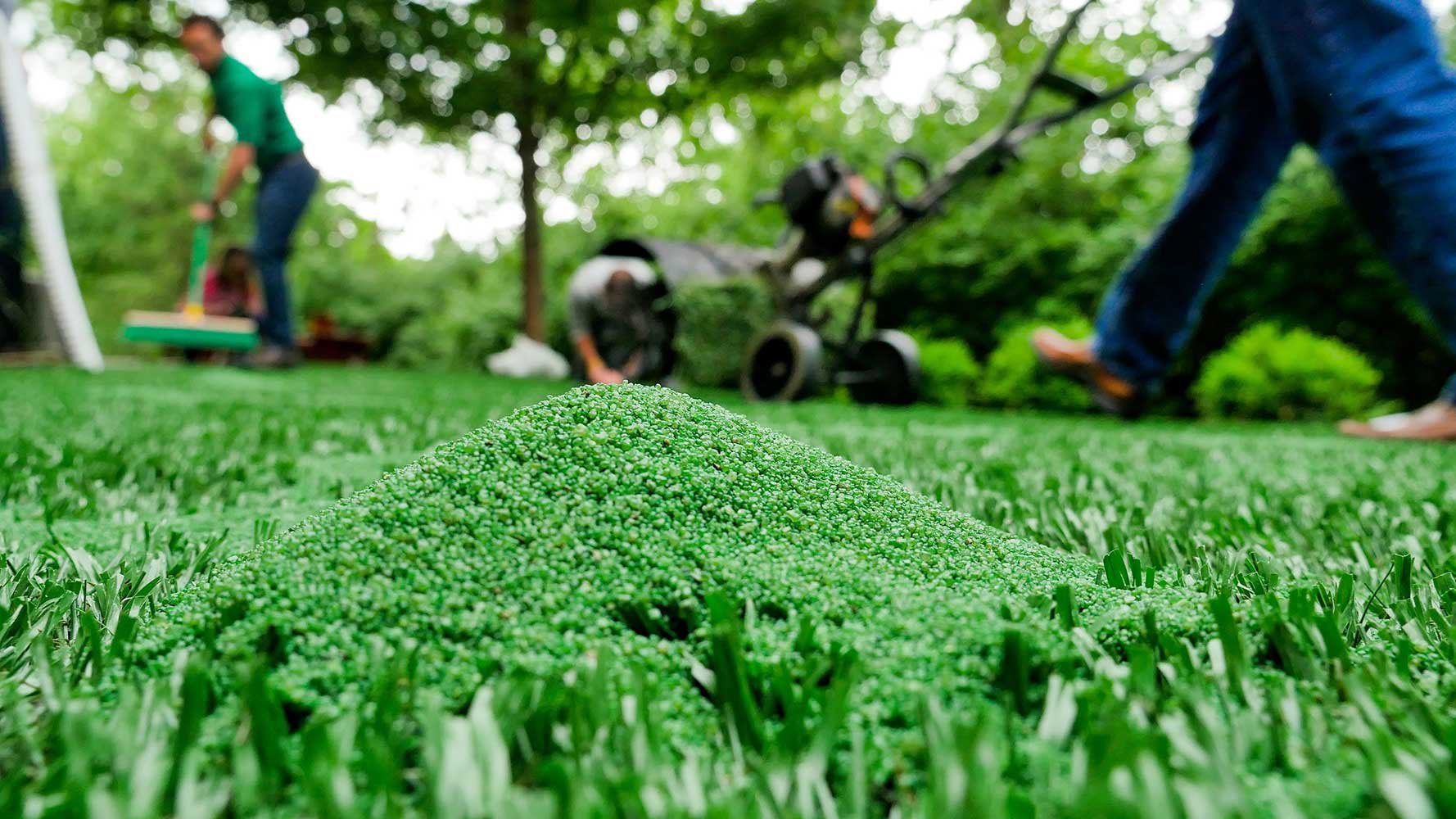
Artificial grass infill is the material brushed between the turf fibres after installation. It helps stabilise the lawn and supports how the system performs over time.
Quality infill helps to:
Support grass fibres so they stay upright
Improve drainage through the turf system
Add weight and stability to the lawn
Provide cushioning underfoot
Improve overall durability
If you’d like a deeper explanation of turf systems and infill types, read our guide: What is artificial grass infill and which one should you choose?
Types of artificial turf infill
Several materials are used in artificial grass systems. The three most commonly discussed are sand infill, Envirofill and rubber crumb.
Sand infill
Sand is one of the most widely used infill materials in artificial lawns.
It provides weight and structure within the turf system while helping fibres remain upright. Sand also allows water to move through the lawn and into the drainage base below.
Benefits of sand infill include:
Natural and widely used material
Provides good stability for turf fibres
Helps maintain a natural feel underfoot
Suitable for many residential lawns
However, sand does not contain antibacterial properties, which means odour control can depend more heavily on good drainage and occasional rinsing.
Envirofill antibacterial infill
Envirofill is an advanced infill option designed to help keep artificial lawns cleaner and fresher.
It is made from rounded sand particles coated with an antimicrobial layer that helps reduce odour-causing bacteria.
When comparing Envirofill vs sand infill, the main difference is the added hygiene benefits.
Advantages of Envirofill include:
Antibacterial coating that helps reduce odours
Cleaner lawns for homes with kids and pets
Durable performance within the turf system
Excellent drainage when combined with permeable turf
For many homeowners with dogs, Envirofill provides added peace of mind that their lawn will stay fresher over time.
If you’re managing pet-related odours, you may also find this helpful: How to get rid of dog urine smell on artificial grass
Rubber crumb infill
Rubber crumb infill is made from recycled rubber granules and is sometimes used in large sports fields or overseas artificial turf systems.
However, rubber crumb infill artificial grass systems are not commonly used in residential lawns in New Zealand.
Some homeowners prefer to avoid rubber crumb due to concerns around:
Surface heat on hot days
Odours in warm conditions
The use of recycled rubber materials
For this reason, Lifestyle Lawns does not use rubber crumb infill in residential installations.
Instead, we focus on sand or antibacterial Envirofill systems that are widely used in homes, schools and childcare environments.
Safety considerations for artificial grass infill
When choosing the best infill for artificial turf, safety and comfort are important factors — particularly in family backyards.
A well-designed artificial lawn should include:
Clean, safe infill materials
Fully permeable turf backing
A professionally prepared drainage base
Together, these elements create a system that drains well, feels comfortable underfoot and stays cleaner over time.
Which infill Is best for residential lawns?
For most homeowners, the best artificial grass infill depends on how the lawn will be used.
Sand infill is a reliable and widely used option that provides stability and durability.
Envirofill adds an extra layer of antibacterial protection, making it particularly popular in homes with dogs or high-use lawns.
Rubber crumb is generally better suited to specialised sports environments rather than residential spaces.
When the right infill is paired with quality turf and professional installation, artificial lawns can remain clean, comfortable and usable all year round.
If you're still deciding which turf system is right for your property, this guide can help: How to choose the best artificial grass in NZ
Designed for real family life
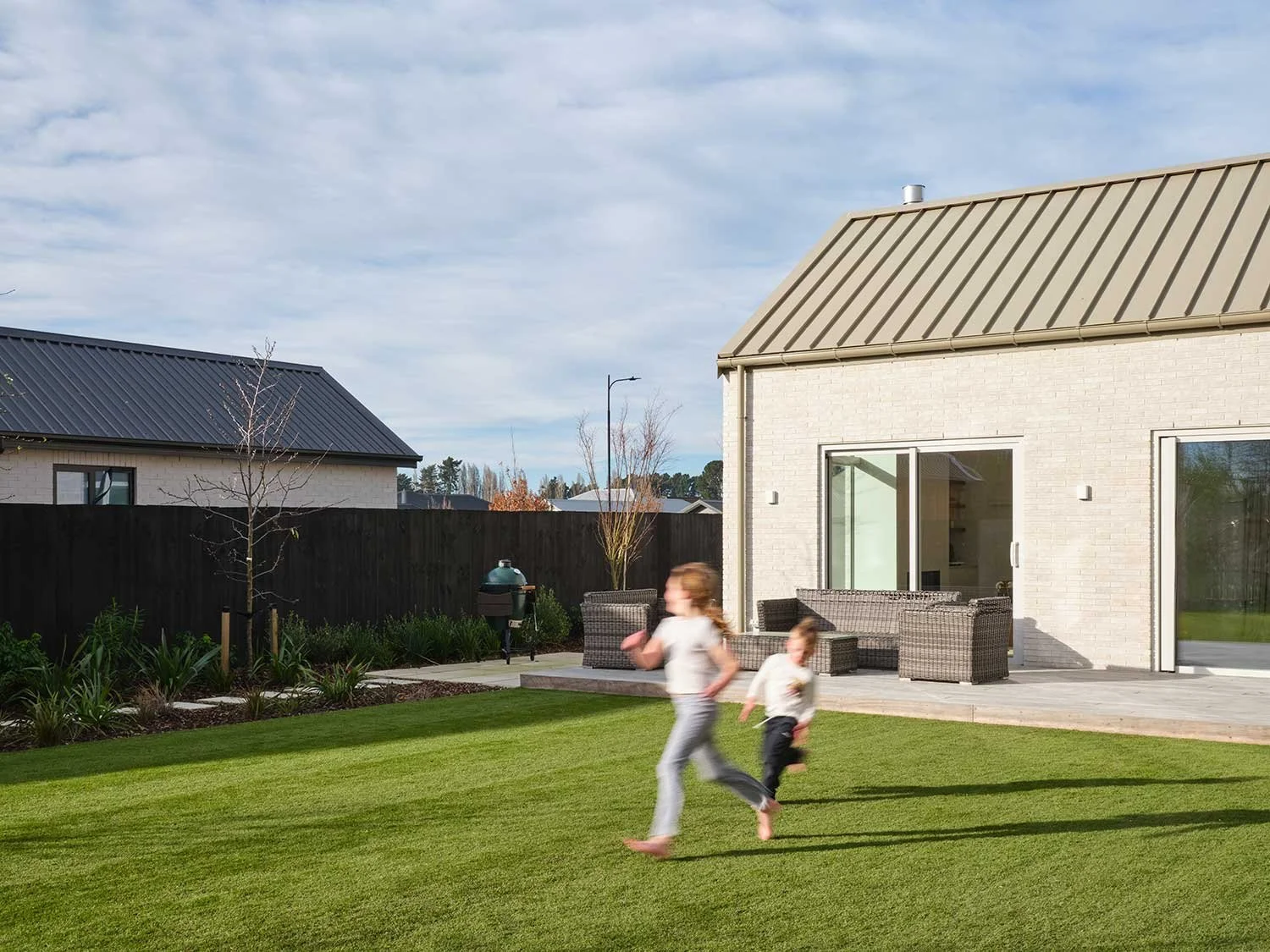
For many households, the backyard is where kids play, dogs run and friends gather for barbecues.
Artificial grass can create a lawn that stays green, clean and usable year-round without muddy patches or worn grass.
When installed using the right turf system, permeable backing and carefully chosen infill, your lawn becomes a space that works for everyday family life.
Because the best lawns aren’t just about how they look — they’re about how they work.
Frequently asked questions about artificial grass infill
What is the best artificial grass infill for homes?
For most residential lawns, sand or Envirofill are the most suitable options. Both provide stability and durability, while Envirofill offers additional antibacterial protection.
Is rubber crumb infill safe for residential lawns?
Rubber crumb is commonly used in some sports fields but is less common in residential artificial grass systems. Many homeowners prefer sand or Envirofill for family backyards.
Does infill affect artificial grass drainage?
Yes. Infill works with the turf backing and base layer to support proper drainage through the lawn system.
Is Envirofill better than sand infill?
Both are effective, but Envirofill includes an antibacterial coating designed to reduce odour-causing bacteria. This can be particularly helpful for homes with pets.