
Artificial grass installation for problem lawns
When your backyard starts to feel like work
Most backyards have a section that never quite works.
It might be the area that turns muddy after rain, the patch that wears down faster than the rest, or the part of the lawn that never really grows properly no matter what you try.
At first, it feels manageable. A bit of reseeding, some extra care, maybe adjusting how the space is used. But over time, those small issues tend to repeat.
You fix one patch, then another. You start avoiding certain areas altogether. And the backyard slowly shifts from being somewhere you enjoy, to something you manage.
For a lot of homeowners, that’s the turning point. When the goal changes from fixing the lawn to creating a space that actually works for everyday life.
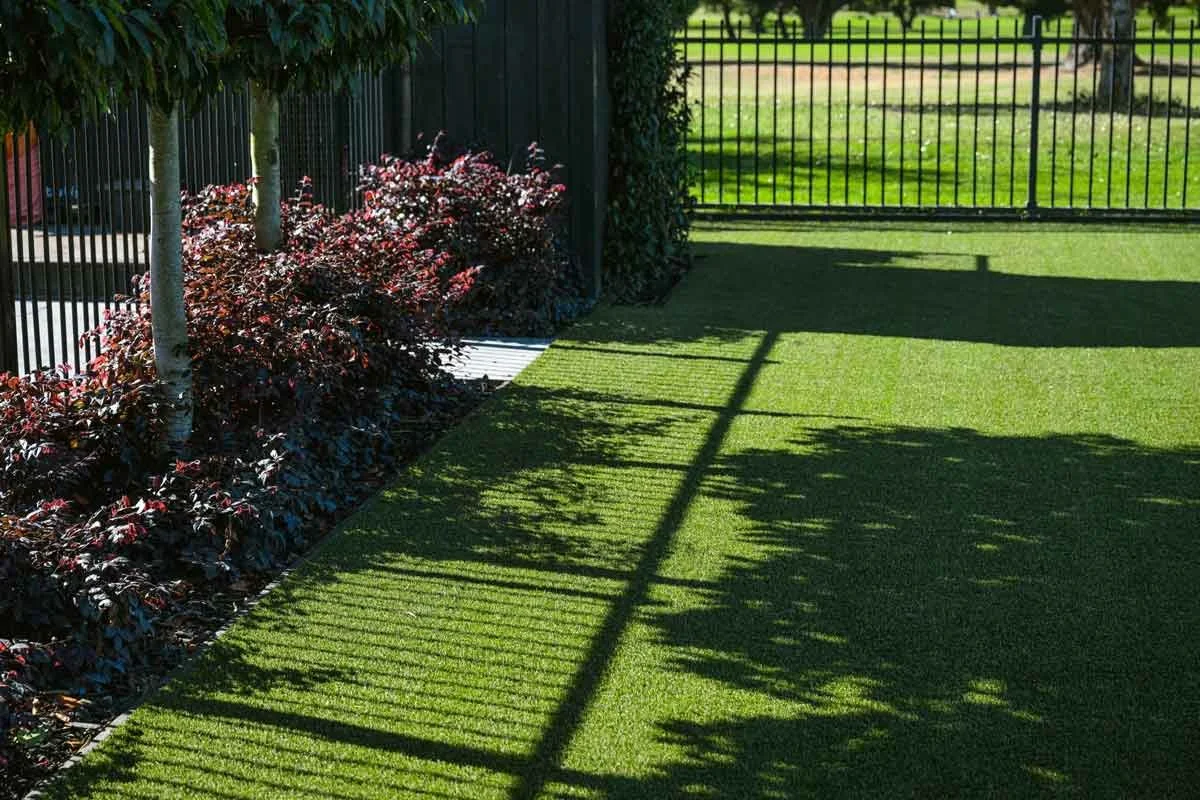
Why some lawns never quite recover
Across Christchurch and the wider South Island, backyards deal with a mix of conditions that make natural grass hard to maintain.
Dry summers can thin it out. Winter brings cold, moisture, and slower recovery. Add regular use, kids running, pets, entertaining, and certain areas start to break down faster than they can repair.
That’s when patterns appear. The same sections staying wet. The same areas wearing out first. The same patches needing attention season after season. These aren’t isolated issues. They’re signs that the surface isn’t suited to the conditions or how the space is being used.
Often, it comes back to what’s happening underneath. If you’re seeing ongoing mud or soft ground, it’s usually linked to how water moves through the space, something we’ve covered in more detail here.
Why quick fixes don’t tend to last
Most lawn fixes focus on what you can see. Reseeding worn areas, adding topsoil, or trying to improve the surface can help short term. But if the structure underneath hasn’t changed, the same problems tend to come back.
That’s why certain parts of the yard become ongoing maintenance zones. You’re not solving the issue, just resetting it temporarily. Over time, it becomes less about fixing the lawn, and more about working around it.
A different way to approach the problem
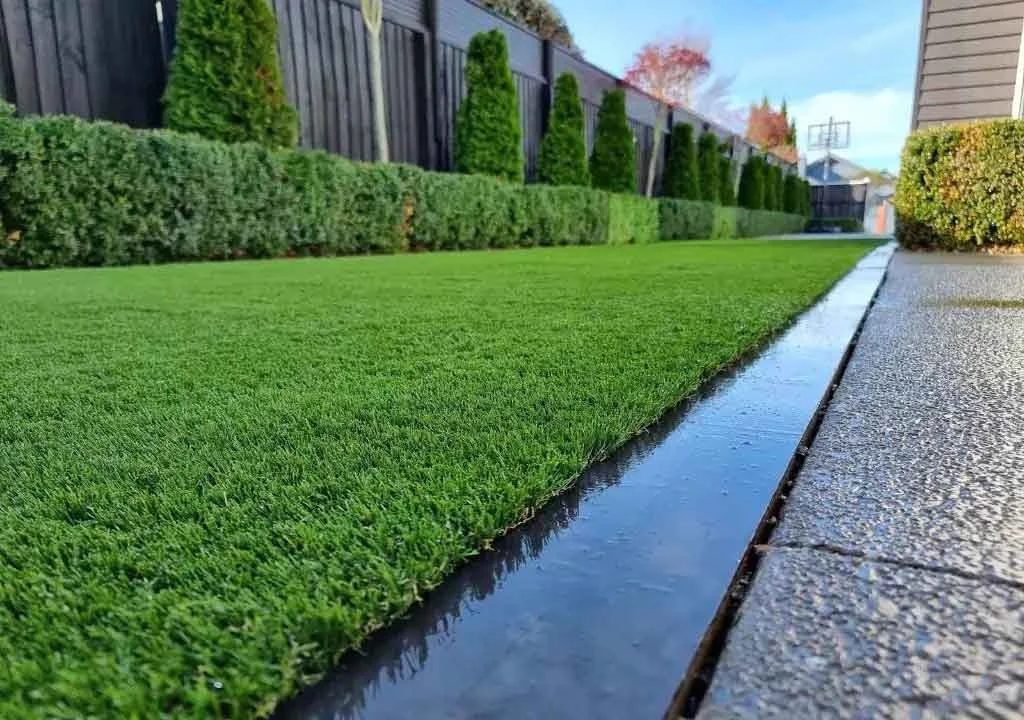
Artificial grass installation takes a different approach. Instead of trying to improve the existing lawn, it replaces it with a surface designed to handle everyday use, changing conditions, and how your backyard is actually lived in.
At a high level, the process is simple. The existing lawn is removed, a stable base is prepared, and the artificial turf is installed over a surface that stays consistent regardless of weather or wear.
If you want to understand more about what’s involved before installation, you can read more here.
What this changes is how the space performs day to day.
Areas that were once muddy become usable again. High-traffic sections stop wearing down. The surface stays even, clean, and ready, without needing time to recover.
Where artificial grass installation makes the biggest difference
Artificial grass installation tends to have the most impact in the areas that caused the most frustration to begin with.
Backyards that become muddy through winter
Sections that never dry out properly
High-traffic areas that wear down quickly
Shaded spots where grass struggles to grow
Rather than treating these as separate problems, the surface is designed to handle all of them at once. That’s where the shift happens. The backyard becomes easier to use, more predictable, and more consistent throughout the year.
When it’s worth making the switch
Most people don’t consider artificial grass after the first issue. It usually comes after the same problems repeat. Fixing patches, dealing with mud, reseeding areas that don’t hold, and gradually adjusting how the space is used around those limitations.
At some point, it becomes clear the issue isn’t just the lawn. It’s the conditions it’s trying to grow in.
That’s when the decision shifts from improving what’s there to creating something that works better long term.
And while performance matters, it’s also worth understanding what to expect over time. We’ve covered that in more detail here.
A space that works in the background
What makes the biggest difference isn’t just how the space looks, but how little it asks of you.
There’s no need to plan around the lawn. No ongoing cycle of fixing and maintaining. No adjusting how the space is used depending on the season.
Instead, it becomes something that works in the background, so you can focus on actually using it.
Spending time outside. Letting the kids run around. Having people over without thinking about the condition of the lawn.
Ready to turn a problem lawn into a space you actually use? Book a site check and see what’s possible for your backyard.