How long does artificial grass last?
A question most people ask early on
If you’re considering artificial grass, one of the first questions is usually how long it will last. Not just in ideal conditions, but in real life. Through changing seasons, regular use, and everything that comes with day-to-day living.
Because ultimately, it’s not just about how it looks when it’s first installed. It’s about whether it continues to hold up over time.
What you can realistically expect
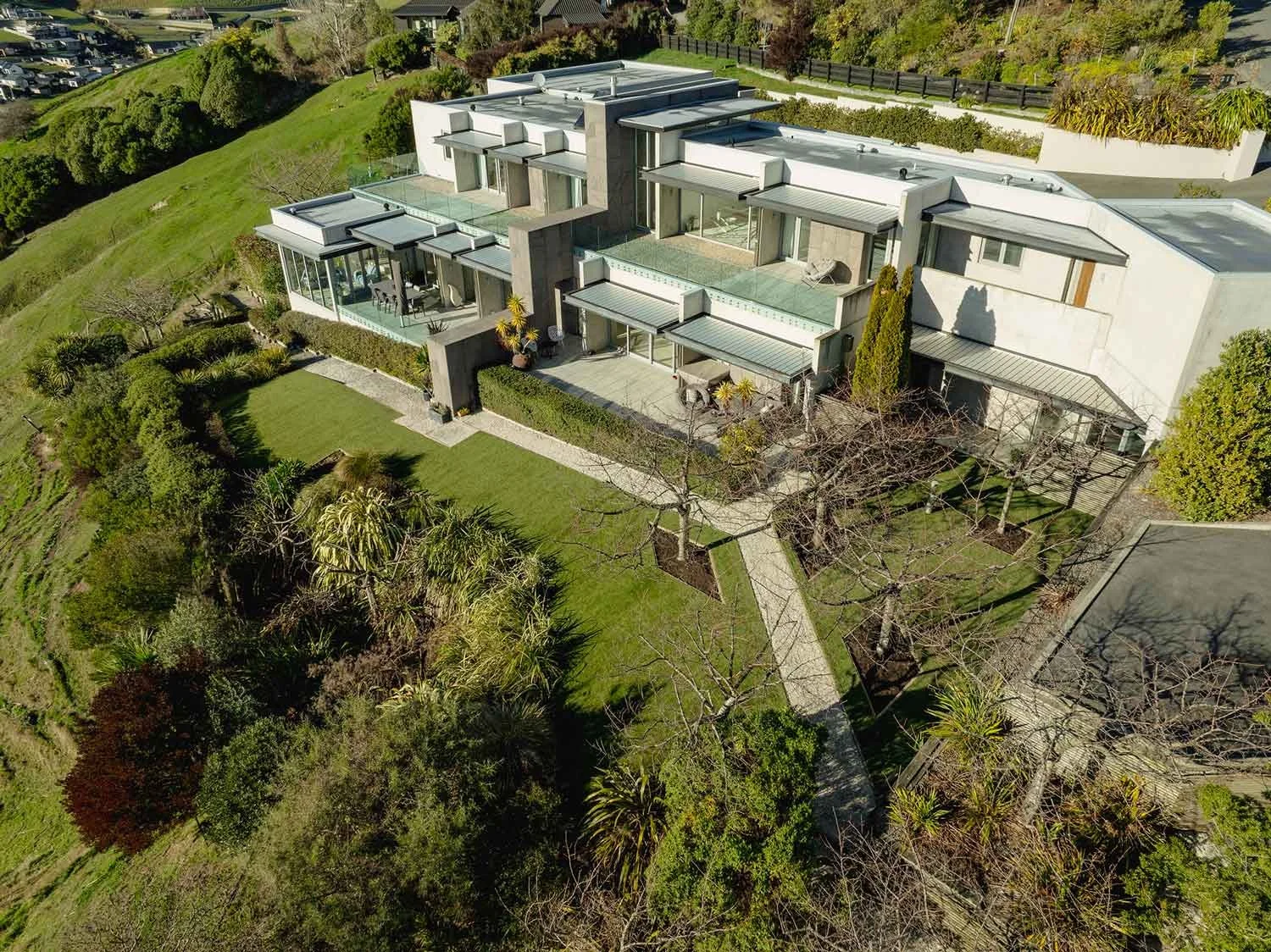
Artificial grass isn’t designed to be temporary. When done properly, it’s a long-term solution. In most residential settings, a high-quality artificial lawn will last somewhere in the range of 10–15+ years.
That range can vary depending on how the space is used, but the key difference compared to natural grass is consistency.
It doesn’t thin out seasonally. It doesn’t need time to recover. And it doesn’t shift between good and bad conditions depending on the weather.
If you’re still at the stage of deciding whether it’s the right option, it’s worth starting here.
What actually affects lifespan
Longevity isn’t just about the product itself. It’s shaped by a few key factors:
How the space is used: High-traffic areas will naturally show wear faster than low-use spaces
Product quality: Not all artificial grass is made the same. Differences in yarn structure, density, and materials all play a role
Installation quality: A well-installed surface holds its shape and performs more consistently over time
Environment: Sun exposure, frost, and moisture all influence how the surface ages
The biggest takeaway is that artificial grass performs best when it’s matched to how the space will actually be used.
How New Zealand conditions play a role
In New Zealand, and especially across the South Island, conditions can vary significantly throughout the year.
Summers bring strong UV exposure, which can affect lower-quality products over time. Winters bring colder temperatures, frost, and ongoing moisture, which impact how outdoor spaces are used.
Artificial grass is designed to handle these shifts, but the quality of the product matters.
Higher-quality turf is built to retain its colour, structure, and performance across these conditions, while lower-quality options can fade, flatten, or wear more quickly.
If you’re comparing options, this is where the difference becomes noticeable over time.
What wear actually looks like over time
Artificial grass doesn’t “die” in the same way natural grass does, but it does change gradually.
In high-use areas, you might see:
Slight flattening of the fibres
Minor changes in texture
Subtle differences between heavily used and low-use sections
Importantly, it remains usable. You don’t get bare patches, mud, or areas that need to recover. The surface stays consistent enough to use, even as it naturally ages. That’s often the biggest difference people notice.
Maintenance and replacement of artificial lawn
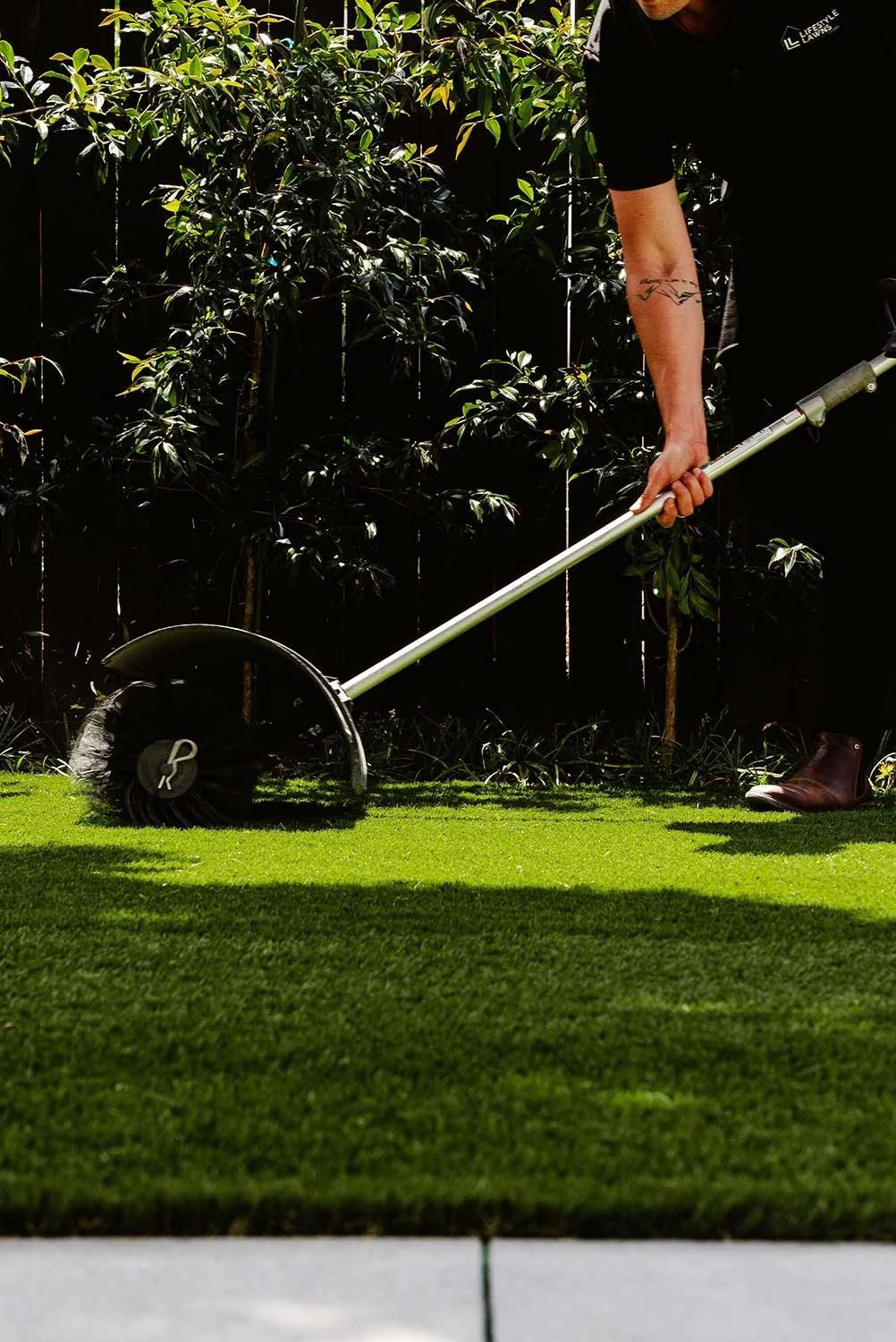
Artificial grass is low maintenance, but not no maintenance. Occasional brushing, clearing debris, and general upkeep help keep the surface looking its best. In most cases, this is minimal compared to the ongoing work required for natural grass.
The key shift is that you’re maintaining appearance, not trying to keep the lawn alive.
Over time, all surfaces reach a point where they need to be replaced. With artificial grass, that usually happens when:
The fibres have worn down significantly
The look no longer matches what you want
The surface has reached the end of its usable life
This tends to happen gradually rather than suddenly, giving you time to plan and make a decision.
Why quality makes the biggest difference
When it comes to lifespan, quality is what separates a short-term fix from a long-term solution. Higher-quality artificial grass is designed to hold its structure, colour, and feel over time. It performs more consistently and requires less intervention as it ages.
If you’re exploring options, you can see the different products and what might suit your space here.
One of the easiest ways to understand the difference in quality is to see it up close. Comparing texture, colour, and density in person gives you a much clearer sense of how it will look and feel in your own space. You can request your free sample here: