
How to fix a muddy backyard and stop it from coming back
A muddy backyard can make your outdoor space difficult to use, especially during winter or after heavy rain.
It’s messy, frustrating, and often feels like no matter what you try, the problem keeps coming back.
That’s beause mud is usually not the problem — it’s the result of what’s happening underneath.
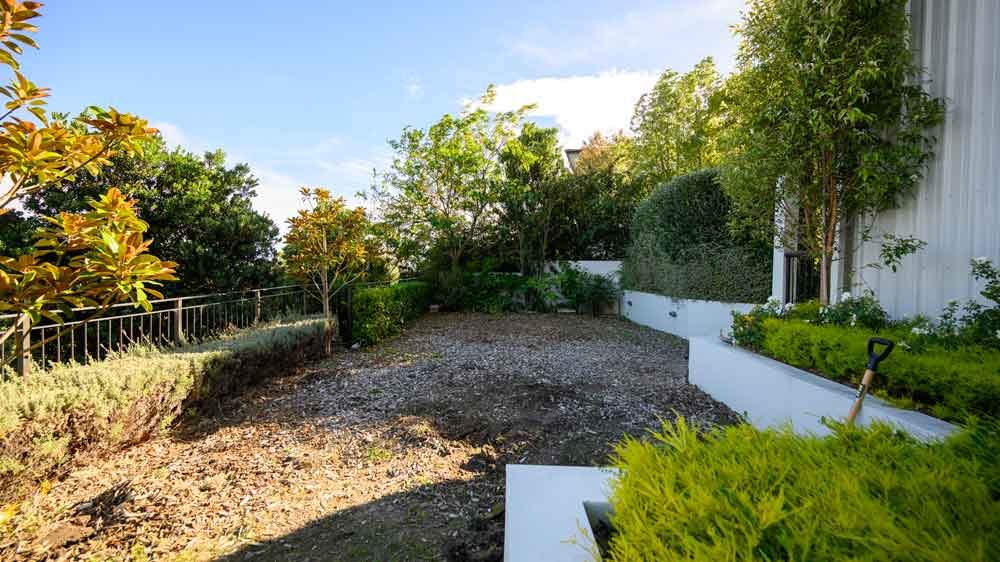
Why do backyards become muddy
Mud forms when water can’t drain properly and the surface breaks down under use.
Poor drainage
When water isn’t able to move through the soil, it starts to sit on the surface.
At first, this might just look like small puddles. But over time, that moisture builds up, softening the ground and making it more vulnerable to damage.
Eventually, even light foot traffic can break the surface down, turning it into mud.
Compacted soil
Compaction happens gradually and is often overlooked.
Repeated use — walking, playing, pets running — compresses the soil underneath. Once compacted, it becomes much harder for water to pass through.
Instead of absorbing water, the ground starts holding it, which creates the conditions for mud to form.
Lack of grass coverage
Grass acts as a protective layer for the soil.
When it becomes thin or worn, that protection disappears. The soil is exposed directly to water and pressure, which causes it to break down much faster.
This is why muddy areas often start as small patches and then spread over time.
Why the problem keeps coming back
Most fixes focus on what’s visible — adding soil, reseeding, or adjusting watering.
But if the structure underneath hasn’t changed, those fixes don’t last.
The same drainage issues and soil conditions remain, so the problem returns — often in the exact same spots.
Short-term fixes that may help
There are ways to improve muddy areas temporarily.
Aerating the soil to improve airflow and drainage
Adding gravel or drainage channels
Reseeding worn sections
These can help in milder cases, but they often require ongoing effort and don’t always hold up under regular use or heavy rain.
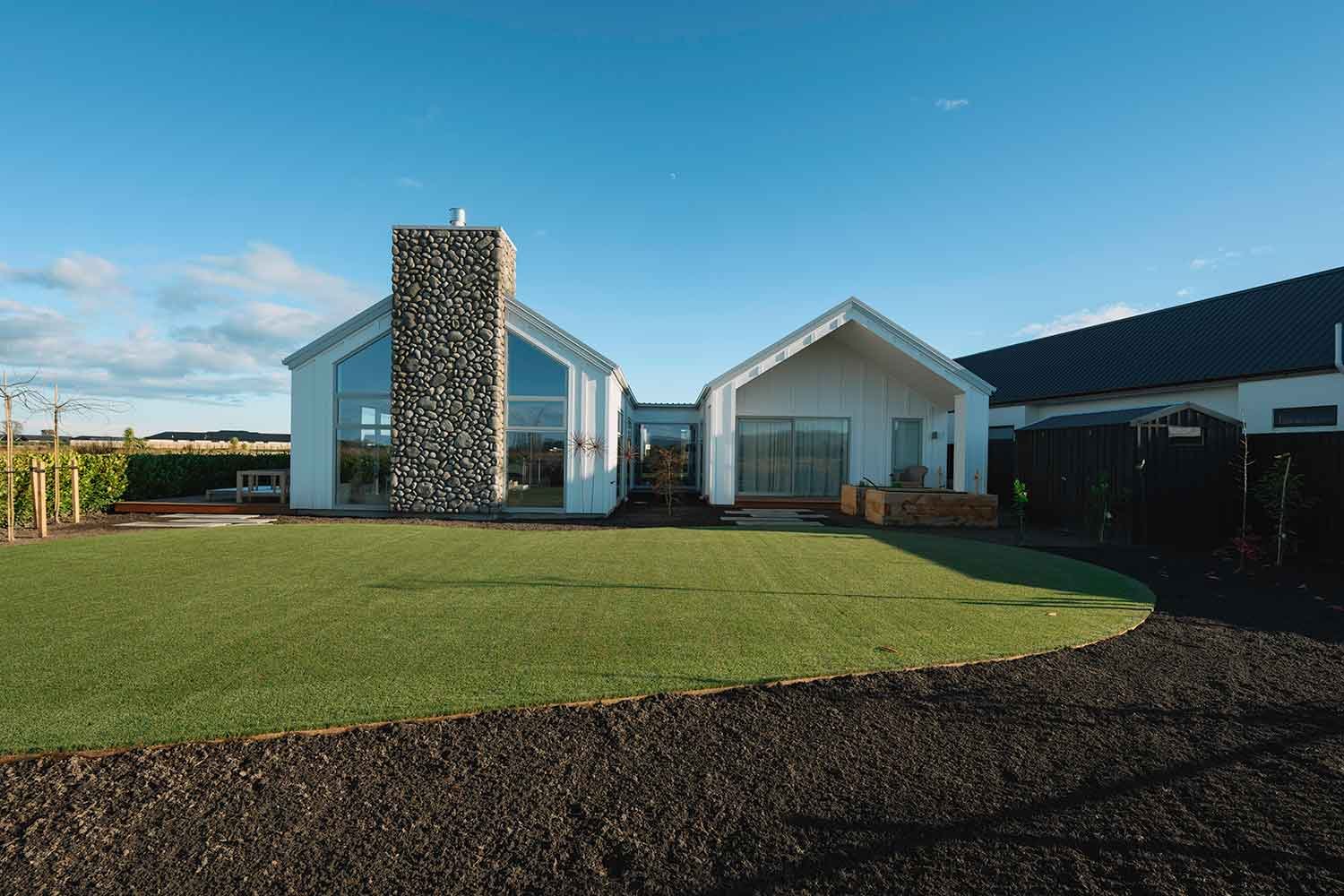
A longer-term solution
Artificial grass works differently because it removes the reliance on soil conditions altogether.
Instead of trying to improve the existing surface, it replaces it with a system designed to handle water and wear from the start.
It sits on a prepared base that:
Allows water to drain through efficiently
Prevents soil from being exposed
Keeps the area stable even with regular use
You can read more about how that base works here: (link: /about-us/blog/what-goes-under-artificial-grass-base-and-drainage-explained)
If you’re considering this approach, downloading the brochure or ordering a free sample can help you understand how it compares in look and feel.
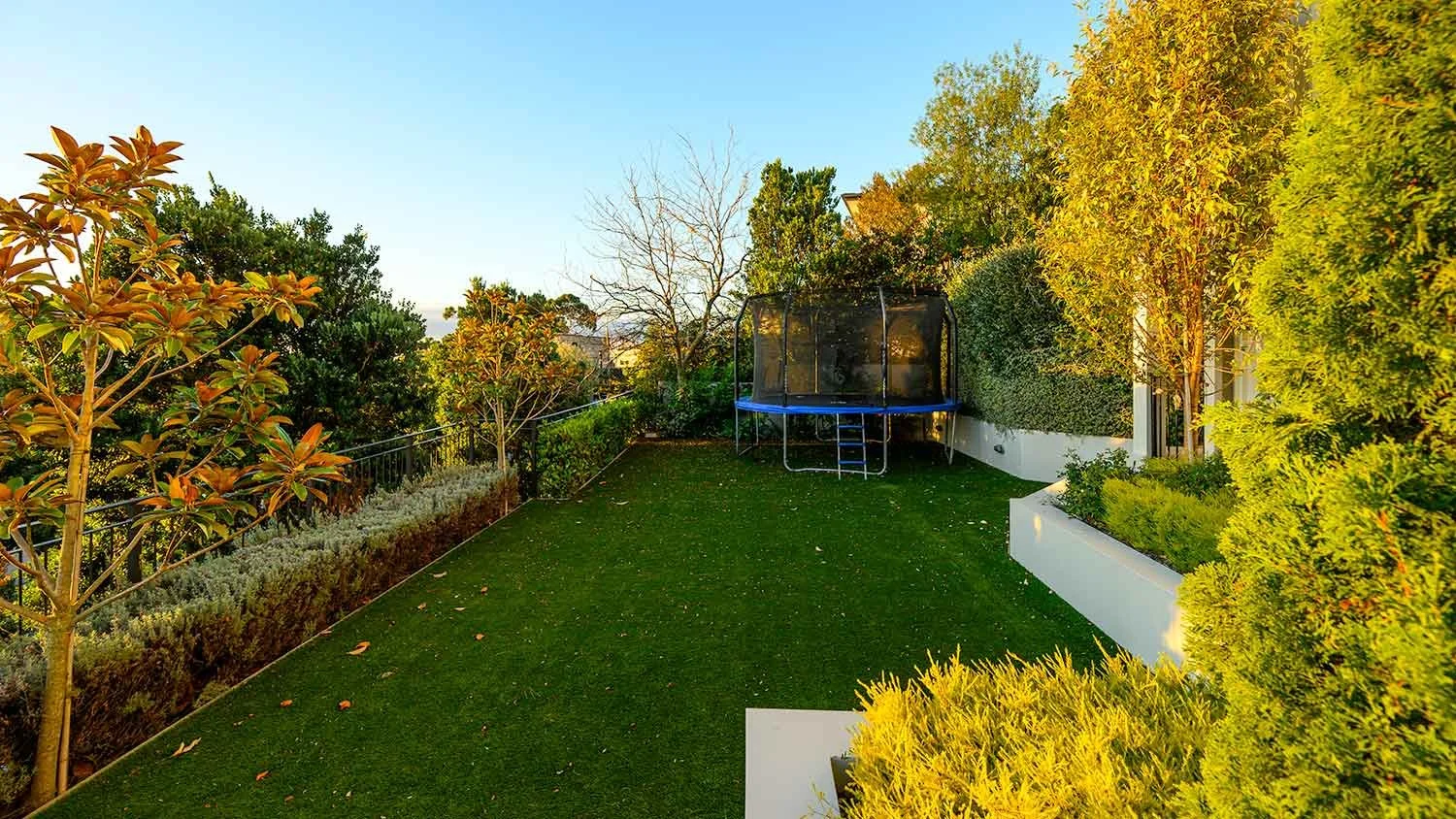
Why drainage is the key
Fixing mud isn’t about covering it - it’s about changing how water moves through the space.
A properly prepared base shifts the entire behaviour of the area. Instead of holding water, it directs it away, keeping the surface usable even after heavy rain.
If the issue keeps coming back, it’s usually a sign that the structure underneath needs to change – not just the surface.