
What goes under artificial grass? (base and drainage explained)
When people think about artificial grass, they usually focus on how it looks on top — the colour, softness, and overall finish.
But what sits underneath is just as important.
A well-prepared base is what keeps artificial grass looking even, draining properly, and performing well over time. Without it, you can run into issues like sinking, pooling water, or even lingering smells — especially in high-use areas or homes with pets.
If you’ve been searching “what goes under artificial grass”, “base for artificial turf”, or “does artificial grass need a base layer”, this guide will walk you through how it all works — and why it matters.
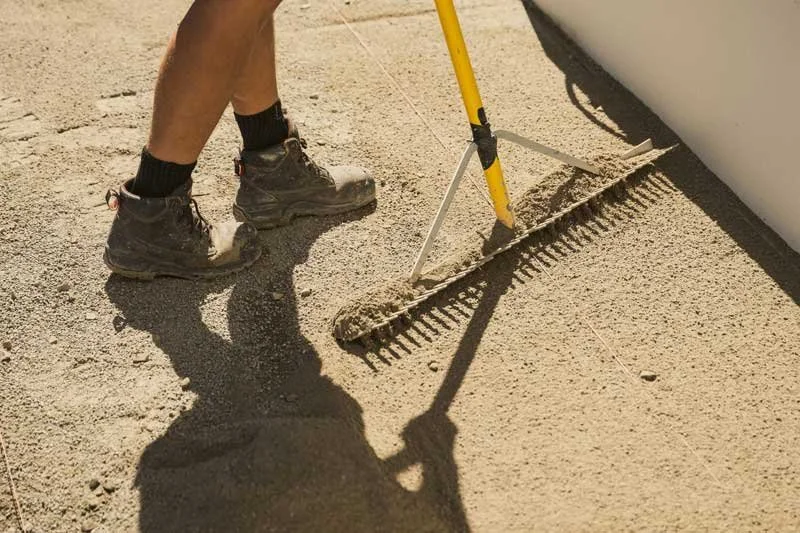
What goes under artificial grass?
Artificial grass isn’t laid directly onto soil. Instead, it sits on a layered system designed to support stability, drainage, and long-term performance.
While the exact setup can vary depending on your site, most installations follow a similar structure:
Ground preparation
Base layer
Compaction
Artificial grass + infill
Each layer works together to create a surface that looks good, drains well, and holds up over time. Skipping or rushing any of these steps can lead to issues later on — even if the grass itself is high quality.
If you’re comparing options or planning your project, it’s worth understanding how this ties into the overall product and installation.
The layers under artificial grass (step by step)
Ground preparation
Everything starts with preparing the existing surface properly.
The area is cleared of natural grass, weeds, and debris, then shaped and levelled. This step also allows installers to create a slight fall, helping water move away from the surface rather than sitting in one place.
If this stage is rushed, it can lead to uneven areas or drainage issues later on, which are much harder to fix once the grass is installed.
Base layer (the foundation)
The base layer is typically made from compacted aggregate (such as crushed stone), and it forms the foundation of the entire system.
It plays a key role in:
Providing a stable surface
Keeping the lawn level
Supporting drainage
The type and depth of base can vary depending on your conditions. For example, clay-heavy soil or areas prone to water retention may require a deeper or more specialised base.
This is also why installation isn’t one-size-fits-all, and it needs to be tailored to your space and how it will be used.
Compaction (what keeps everything in place)
Once the base is laid, it’s compacted using specialised equipment to create a firm and stable surface.
This step is critical because it:
Prevents movement underfoot
Reduces the risk of sinking or dips
Ensures the lawn stays even over time
Without proper compaction, the base can shift or settle, especially in high-traffic areas. This is often what leads to uneven lawns that don’t feel solid underfoot.
Drainage layer and water flow
Drainage is one of the most important parts of the system — and often the most overlooked.
Artificial grass allows water to pass through it, but the base underneath needs to move that water away efficiently. A well-prepared base prevents water from pooling and helps keep the surface dry and usable.
Good drainage helps avoid:
Puddles forming after rain
Mud or soft spots developing underneath
Ongoing moisture issues
If you’ve ever dealt with a lawn that stays wet or muddy, you’ll know how important this is. Poor drainage is one of the main reasons natural lawns become patchy, something we cover in more detail here.
Artificial grass and infill
Once the base is complete, the artificial grass is laid on top and secured in place.
In many cases, infill is added to:
Support the fibres and keep them upright
Improve durability and performance
Assist with drainage
Infill can also play a role in reducing odour in pet-friendly areas, depending on the type used.
If you’d like to understand how this works in more detail, you can read more here.
Why the base matters more than most people think
It’s easy to focus on the surface, but most long-term performance comes down to what’s underneath.
A properly prepared base ensures the lawn:
Stays level and even
Drains effectively
Feels stable and comfortable
Maintains its appearance over time
In many ways, the base is what turns artificial grass from a short-term fix into a long-term solution.
This is especially important in areas with heavy use, pets, or variable weather conditions.
What happens if the base is done poorly?
This is where issues tend to show up, often months after installation.
Even high-quality artificial grass won’t perform well if the base isn’t prepared correctly.
Sinking and uneven areas
If the ground isn’t properly compacted, parts of the lawn can settle over time. This creates dips, bumps, or soft spots that become more noticeable with use.
These issues are difficult to fix without lifting the surface and reworking the base.
Water pooling and drainage issues
Without proper drainage, water can sit under or on top of the surface.
This can lead to:
Puddles forming after rain
Areas staying damp for long periods
Increased wear and tear
Over time, this can affect both the look and usability of the lawn.
Smell and moisture buildup
If water and organic matter can’t drain properly, it can lead to odour buildup, particularly in areas used by pets.
This is often where people notice issues like:
Artificial turf smells like dog pee
Difficulty keeping the area fresh
Ongoing cleaning challenges
Proper base preparation helps prevent these problems before they start.
Shorter lifespan
Artificial grass is designed to last, but only when installed on a solid foundation.
A poor base can reduce lifespan, increase maintenance, and lead to repairs that could have been avoided with proper preparation.
How base preparation depends on your lawn
Every lawn is different, and the base should reflect that.
Factors that influence the setup include:
Soil type (clay, sand, or mixed)
Existing drainage conditions
Slope and layout of the area
How the space will be used (pets, entertaining, high traffic)
For example, a backyard with pets may need a base that supports both drainage and easy cleaning, while a decorative area may have different requirements.
This is why a tailored approach usually leads to better long-term results.

A quick note before installing artificial grass
Before installing artificial grass, it’s worth taking a step back and assessing your space.
Think about:
Whether the area holds water after rain
Any existing uneven or soft spots
How much use the space gets
These factors will help determine the right base setup and avoid issues down the track.
If you’re unsure, it’s often easier to get advice early rather than fix problems later.
What goes under artificial grass plays a major role in how it looks, feels, and performs over time.
While the surface is what you see, the base is what supports everything, from drainage and stability to durability and ease of maintenance.
Getting this part right helps avoid common issues like sinking, pooling water, or ongoing smell problems, and ensures your lawn performs the way it should.
If you’d like help assessing your lawn conditions or understanding what setup would work best for your space, feel free to get in touch.