
Why your lawn keeps going patchy (and how to fix it)
A patchy lawn is one of those things that seems to come out of nowhere. One season it looks fine, and the next you’re dealing with thin grass, bare spots, and uneven colour.
The frustrating part is that even after fixing it, the problem often comes back.
That’s because patchy lawns are usually caused by a few underlying factors, and unless those are addressed, you end up stuck in the same cycle year after year.
What causes a patchy lawn?
In most cases, it’s not just one issue — it’s a combination of conditions that make it difficult for grass to grow consistently.
Traffic and everyday use
One of the biggest contributors is simply how the lawn is used.
Areas where people walk regularly, where kids play, or where pets run tend to wear down much faster. Over time, the soil underneath becomes compacted, which restricts airflow and makes it harder for roots to establish properly.
Even if you reseed or repair these areas, they often struggle to recover if the usage stays the same.
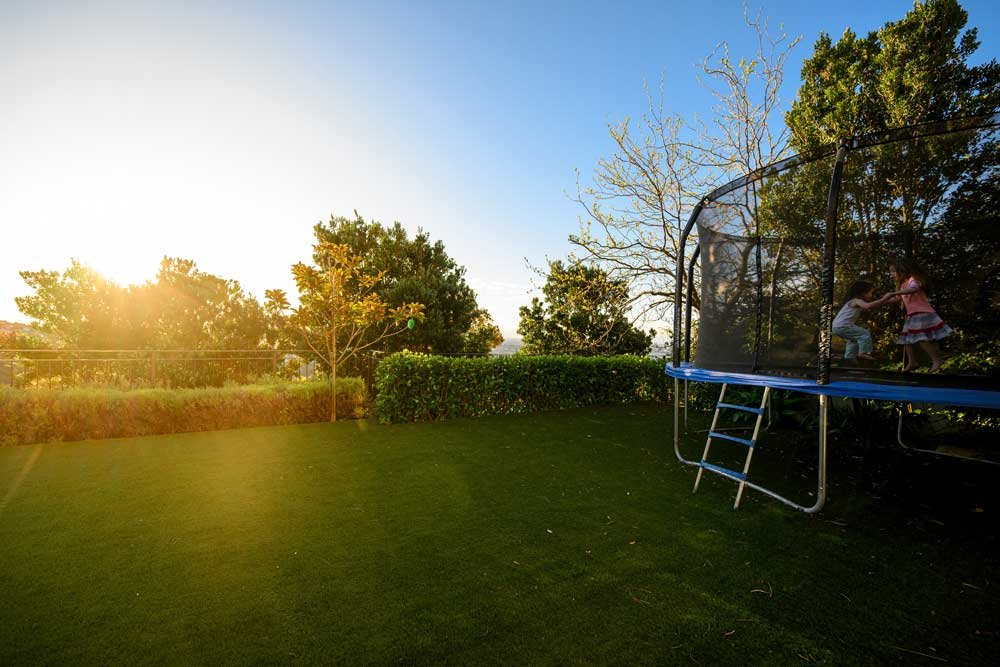
Shade and uneven sunlight
Grass relies heavily on sunlight, so it’s no surprise that shaded areas are often the first to go patchy.
If parts of your lawn sit under trees, fences, or the side of the house, they may not get enough light to grow properly. These areas tend to stay damp for longer as well, which can lead to moss, thinning grass, or uneven colour.
This is why many lawns look inconsistent - one section thrives while another never quite fills in.
Drainage issues (often overlooked)
Drainage is one of the less obvious causes, but it plays a big role.
If water sits in certain areas after rain, it can suffocate the roots and create muddy, worn-out patches. On the flip side, poor soil conditions can also lead to uneven watering, where some areas dry out faster than others.
Over time, this creates a lawn that looks patchy no matter how much effort goes into maintaining it.
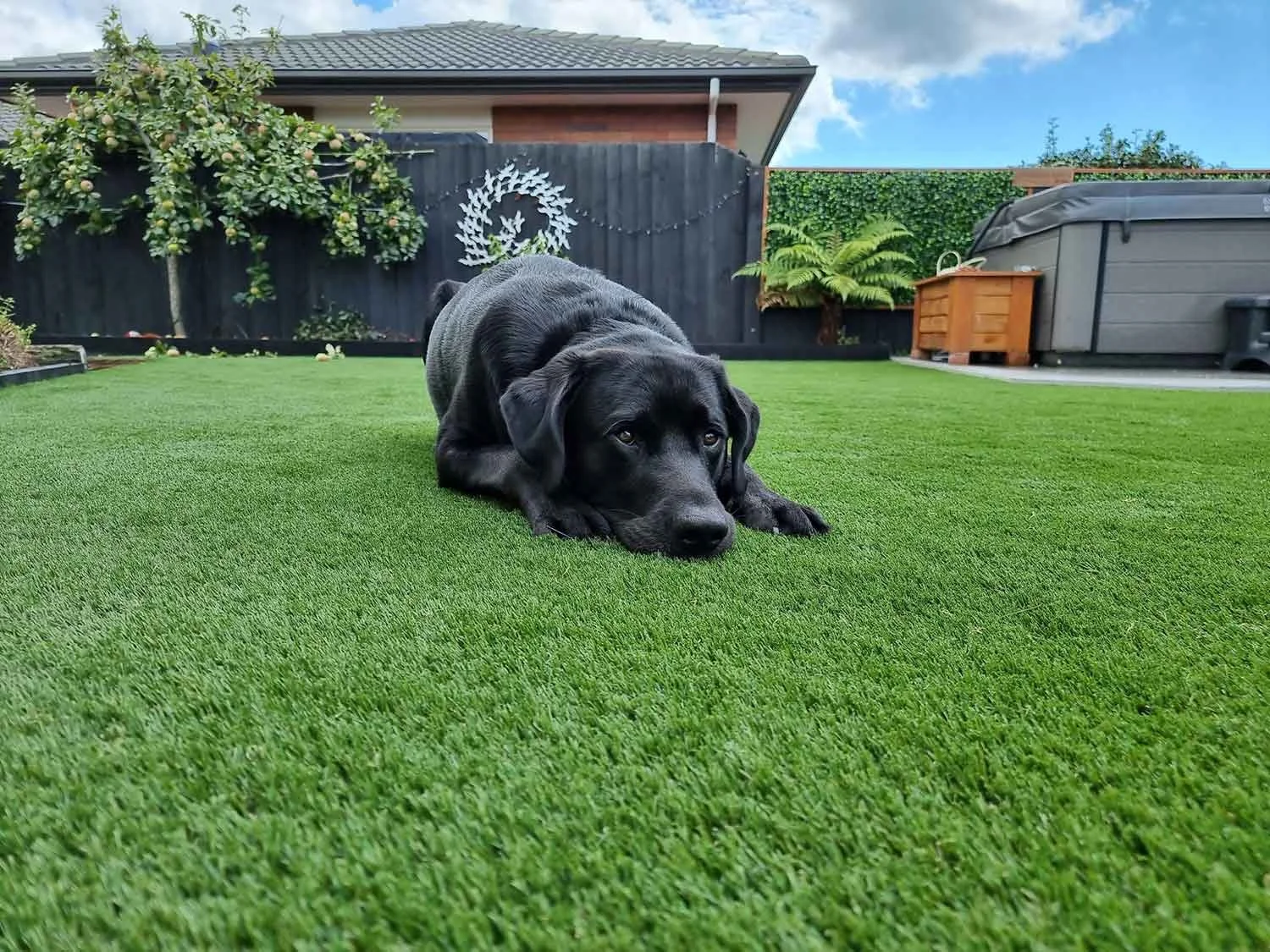
Pets and repeated wear
If you have a dog, you’ve likely noticed specific spots that struggle more than others.
Dog urine can cause discolouration, and repeated use in the same areas (running paths, toilet spots) leads to ongoing wear. These patches are often the hardest to fix because they’re tied to behaviour patterns that don’t really change.
If this sounds familiar, it’s worth looking at surfaces designed specifically for pets.
Why patchy lawns keep coming back
This is usually the turning point for most homeowners.
You might reseed, fertilise, or improve watering, and it works for a while. But a few months later, the same areas start to thin out again.
That’s because:
The traffic hasn’t changed
The shade is still there
The drainage conditions are the same
So while the lawn improves temporarily, the underlying issues are still in place.
Can you fix a patchy lawn?
In some cases, yes - especially if the damage is minor or seasonal.
Simple fixes like aerating the soil, reseeding bare spots, or improving drainage can help restore the lawn. With the right conditions, grass can recover and fill in over time.
But these fixes tend to require ongoing effort, and they don’t always hold up in high-use areas or difficult conditions.
If you’re weighing up your options, this guide on choosing the right lawn solution can be a helpful next step.
When it makes sense to look at a longer-term solution
If your lawn keeps becoming patchy despite regular maintenance, it’s often a sign that natural grass isn’t suited to your space.
This is where artificial grass becomes a more practical option.
Instead of trying to manage the conditions (sunlight, drainage, wear), it removes them from the equation entirely.
Artificial grass:
Doesn’t wear out in high-traffic areas
Stays consistent in both sun and shade
Handles drainage through a built-in base system
Maintains an even appearance year-round
For many homeowners, it’s less about replacing grass — and more about removing the ongoing maintenance cycle.
You can explore different styles and finishes here.
What if your artificial grass is going patchy?
If you already have artificial grass and it’s starting to look uneven, the cause is usually different.
In most cases, it comes down to either wear, installation quality, or the age of the product.
Small issues, like seams lifting or areas flattening, can often be repaired. Brushing the fibres or redistributing infill can also improve the appearance.
However, if the lawn looks worn across a larger area or feels flat and tired, it may be a sign that the product has reached the end of its lifespan.
Older artificial grass, in particular, doesn’t perform the same way modern products do — both in terms of appearance and durability.
A quick note before you decide
If you’re still unsure whether to repair or replace, it can help to step back and look at how the space is actually used.
Ask yourself:
Is this a high-traffic area that will keep wearing out?
Does this part of the lawn get enough sunlight?
Am I likely to keep fixing the same spots every year?
If the answer is yes to most of these, it’s usually worth considering a more permanent solution rather than continuing to patch things up.
A patchy lawn isn’t just a surface problem - it’s usually a sign that the conditions underneath aren’t working.
While short-term fixes can help, they don’t always solve the root cause. And that’s why the issue tends to come back.
Whether you choose to repair or replace, the key is understanding what’s causing the problem in the first place and choosing a solution that works with your space, not against it.
If you’re exploring longer-term options, you can browse the full range here: