What is artificial grass, and how is it different from Astroturf?
If you’re researching lawn alternatives, you’ve likely come across terms like artificial grass, synthetic grass, and Astroturf.
They’re often used interchangeably, but they’re not the same thing. And understanding the difference can make a big impact on how your lawn looks, feels, and performs over time.
In this guide, we’ll explain what artificial grass actually is, how it compares to Astroturf, and which option is best for modern homes.
What is artificial grass?
Artificial grass (also known as synthetic grass) is a modern alternative to a natural lawn, made from engineered fibres designed to replicate the look and feel of real grass.
Today’s artificial grass is built for everyday living — not just appearance. It’s designed to be soft underfoot, durable, and low maintenance, making it a popular choice for residential spaces across New Zealand.
Key features of artificial grass
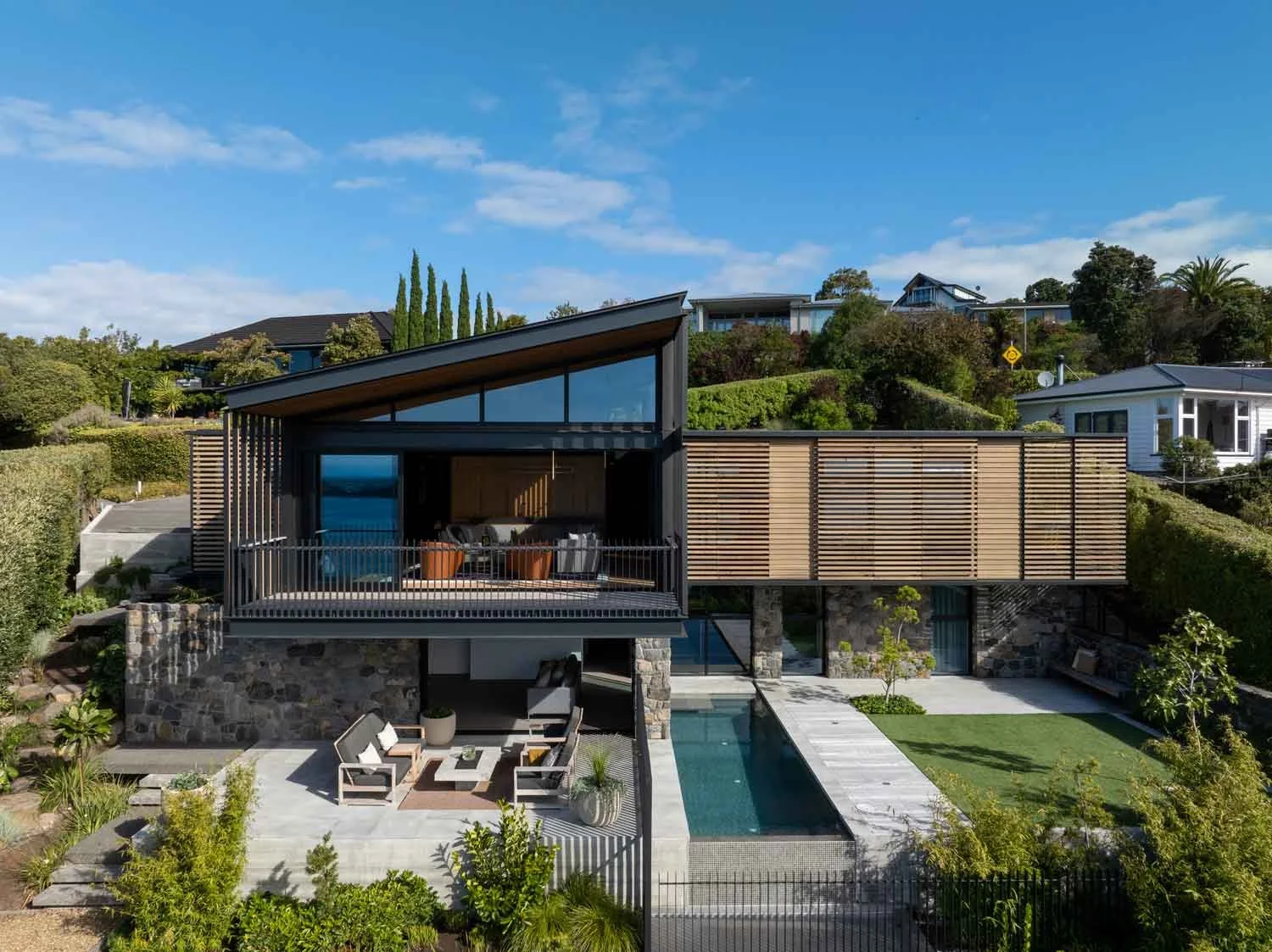
Realistic look with multiple shades of green - Modern artificial grass uses a blend of colours and tones to replicate the variation you’d naturally see in real lawns. This helps avoid that flat, overly uniform look and creates a more natural finish.
Soft, flexible fibres that mimic natural grass - The fibres are designed to move and bend like real grass blades, making the surface feel more comfortable underfoot. This is especially noticeable when walking barefoot or spending time outdoors.
Built-in drainage systems - Artificial grass is installed with a permeable backing that allows water to drain through easily. This means your lawn can handle rain and regular use without becoming muddy or waterlogged.
Durable and long-lasting - High-quality artificial grass is designed to withstand everyday wear, including foot traffic, pets, and changing weather conditions. It maintains its appearance over time with minimal upkeep.
Minimal maintenance required - Unlike natural grass, there’s no need for mowing, watering, or fertilising. Occasional cleaning and brushing are usually enough to keep it looking its best.
If you’d like to see different styles and finishes, you can explore the full product range.
What is Astroturf?
Astroturf is a term that’s often used to describe artificial grass, but it originally refers to a specific type of synthetic turf developed in the 1960s for sports stadiums.
The original Astroturf was designed for performance, not comfort or aesthetics, and this is where most of the differences come from.
Characteristics of traditional Astroturf
Short, dense fibres - The fibres in Astroturf are much shorter and more tightly packed, giving it a flatter, carpet-like appearance. This makes it more suited to controlled sports environments rather than natural-looking spaces.
Firm and compact surface - Astroturf is built to be stable and consistent under heavy use. While this works well for sports, it can feel quite hard compared to modern artificial grass.
Limited cushioning - Earlier turf systems didn’t prioritise comfort, so they offer less shock absorption. This can make the surface less suitable for casual, everyday use.
Designed for durability and heavy use - The main goal of Astroturf was to withstand high-impact activity over long periods. Appearance and comfort were secondary to performance.
Because of its early popularity, “Astroturf” became a catch-all term for fake grass, even though modern artificial grass has evolved significantly since then.
Artificial grass vs Astroturf: key differences
While they may sound similar, artificial grass and Astroturf are built for very different purposes.
1. Appearance
Artificial grass is designed to look more natural, using a mix of green tones (often with a brown thatch layer) to replicate the depth of real lawns. Longer blades and varied fibre direction create movement and texture, avoiding an overly uniform finish.
Astroturf, by comparison, has a flatter, more consistent look, which can appear less natural in residential settings.
2. Feel and comfort underfoot
Modern artificial grass uses softer fibres and cushioned layers to create a more comfortable surface underfoot. It’s suitable for barefoot use and everyday living, including families and outdoor relaxation.
Astroturf is firmer and more compact, designed for stability rather than comfort, which can make it feel harder in comparison.
3. Everyday use and applications
Artificial grass is well suited to backyards, pool areas, and entertaining spaces, offering a low-maintenance, mud-free surface that holds up to regular use. It’s also commonly used in pet-friendly spaces due to its durability and ease of cleaning.
Astroturf is typically used for sports fields and high-impact environments where performance and durability are the priority.
4. Materials and construction
Artificial grass is made from longer, flexible fibres supported by a layered backing system that allows for drainage. Infill is often added to help maintain structure, comfort, and performance.
Astroturf generally uses shorter, more rigid fibres, focusing on durability and consistency rather than a natural look and feel.
Why modern artificial grass is different from old Astroturf
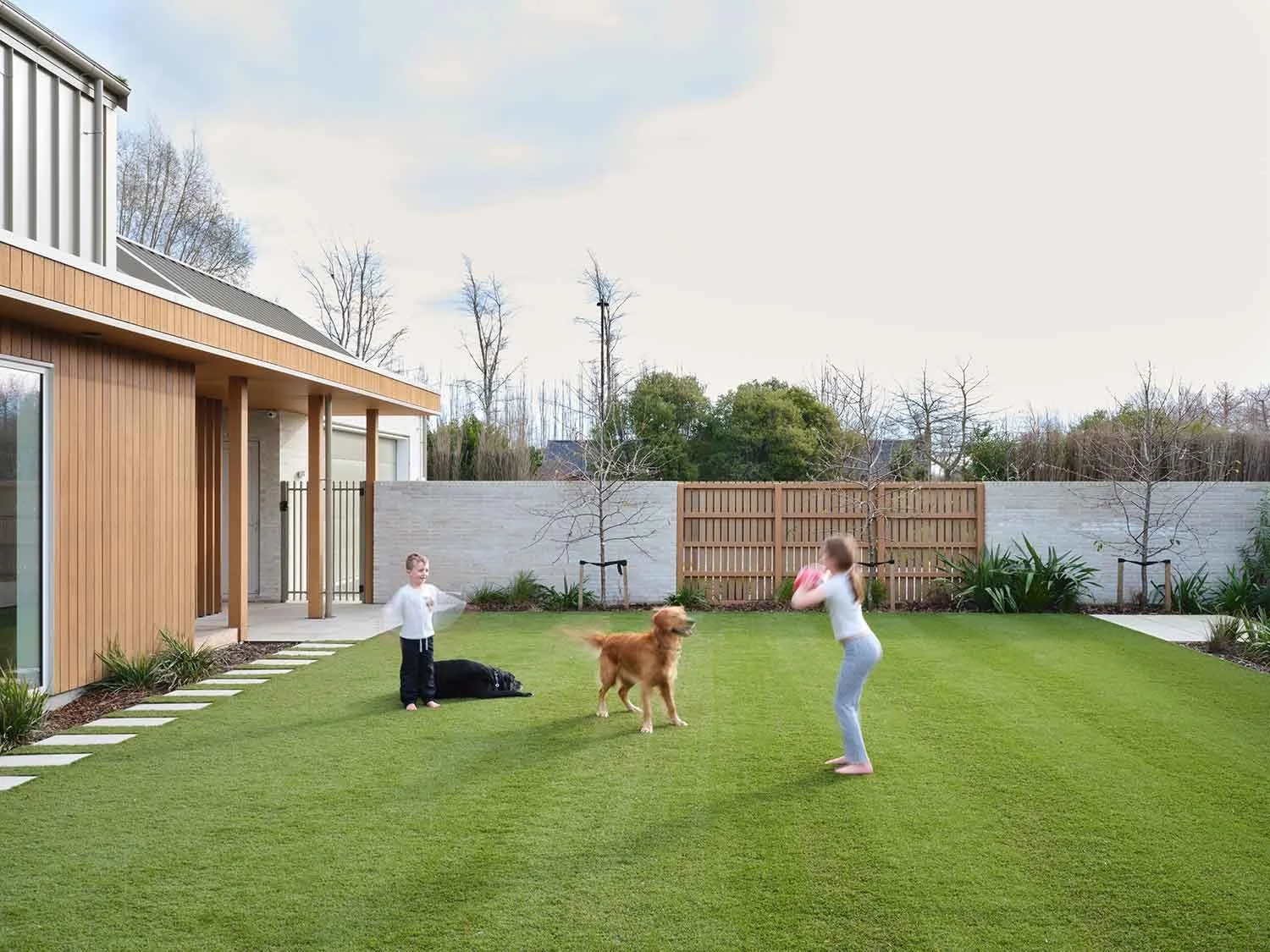
The biggest takeaway is that artificial grass today is not the same product people remember from older sports fields.
Modern artificial grass has evolved to:
Look more natural, with improved colour and texture
Feel softer and more comfortable underfoot
Perform better in residential environments
Require less maintenance over time
This evolution is what has made artificial grass a practical and popular option for homes, rather than just sports applications.
Is artificial grass right for your home?
If you’re looking for a lawn that is:
Low maintenance
Visually appealing all year round
Suitable for kids and pets
Designed for everyday use
Then artificial grass is likely the better option.
If you’re still comparing products or unsure what to look for, this guide can help.
Frequently asked questions
Is artificial grass the same as Astroturf?
No. Astroturf is an older type of synthetic turf originally designed for sports, while modern artificial grass is designed for residential and lifestyle use.Does artificial grass feel like real grass?
Modern artificial grass is designed to closely mimic the feel of natural grass, with softer fibres and improved cushioning.Can artificial grass be used for pets?
Yes. Many artificial grass products are specifically designed to be pet-friendly and easy to clean.
Final thoughts
While the terms are often used interchangeably, the difference is clear:
Astroturf refers to older, sports-focused turf
Artificial grass is a modern solution designed for homes
If your goal is a lawn that looks natural, feels comfortable, and works for everyday living, artificial grass is the better choice.
To explore different options and find the right fit for your space...