
Low-maintenance backyard makeover ideas using artificial grass
If your backyard feels like constant work, you’re not alone. Between mowing, watering, fixing patches, and dealing with mud, it can quickly become something you maintain rather than enjoy – something that sits on your to-do list rather than being a space you actually spend time in.
That’s why more homeowners are moving towards low-maintenance landscaping - outdoor spaces that look good year-round without ongoing effort.
In this guide, we’ll walk through practical backyard makeover ideas using artificial grass, and how to design a space that actually works for everyday living.
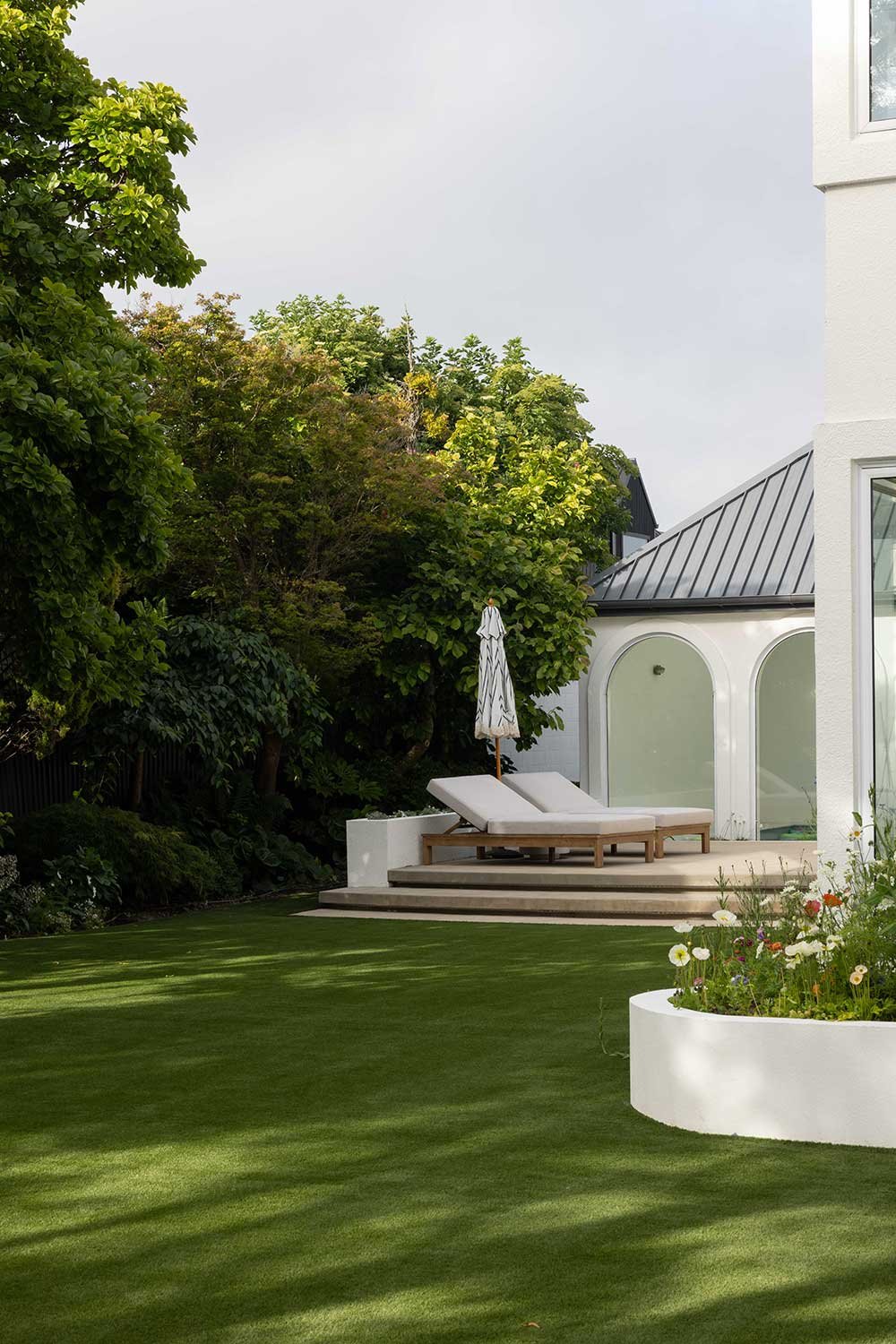
What does low-maintenance landscaping really mean?
Low-maintenance landscaping isn’t about removing greenery or making your space feel bare – it’s about reducing the amount of ongoing work required to keep it looking good.
In practical terms, it’s about removing friction. The kind of small, repetitive tasks that don’t seem like much individually, but over time add up – mowing every weekend, fixing the same worn patch, cleaning up mud after rain, or trying to keep grass alive in areas where it never really thrives.
That usually comes down to a few key shifts:
Choosing materials that don’t rely on perfect conditions
Designing around how the space is actually used
Reducing elements that need constant upkeep
Artificial grass tends to sit at the centre of this because it removes one of the biggest maintenance drivers – the lawn itself.
If you’re still comparing how different options look and feel, it’s worth ordering a free sample or downloading the brochure so you can see the difference in texture, colour, and finish before planning your space.
Backyard makeover ideas using artificial grass
Replace high-maintenance lawn areas
Start with the areas that consistently cause issues.
These are often the spots you’ve already tried fixing - sometimes multiple times:
The patch that never grows properly no matter how much you reseed
The section that turns muddy after even a small amount of rain
The part of the lawn that wears down first and never quite recovers
Instead of treating these as isolated problems, it helps to see them as signals. They’re usually telling you that natural grass isn’t suited to those specific conditions — whether that’s lack of sunlight, poor drainage, or heavy use.
Replacing just these areas with artificial grass can shift the entire feel of the space. It removes the constant repair cycle and gives you a surface that stays consistent without needing to “recover” between uses.
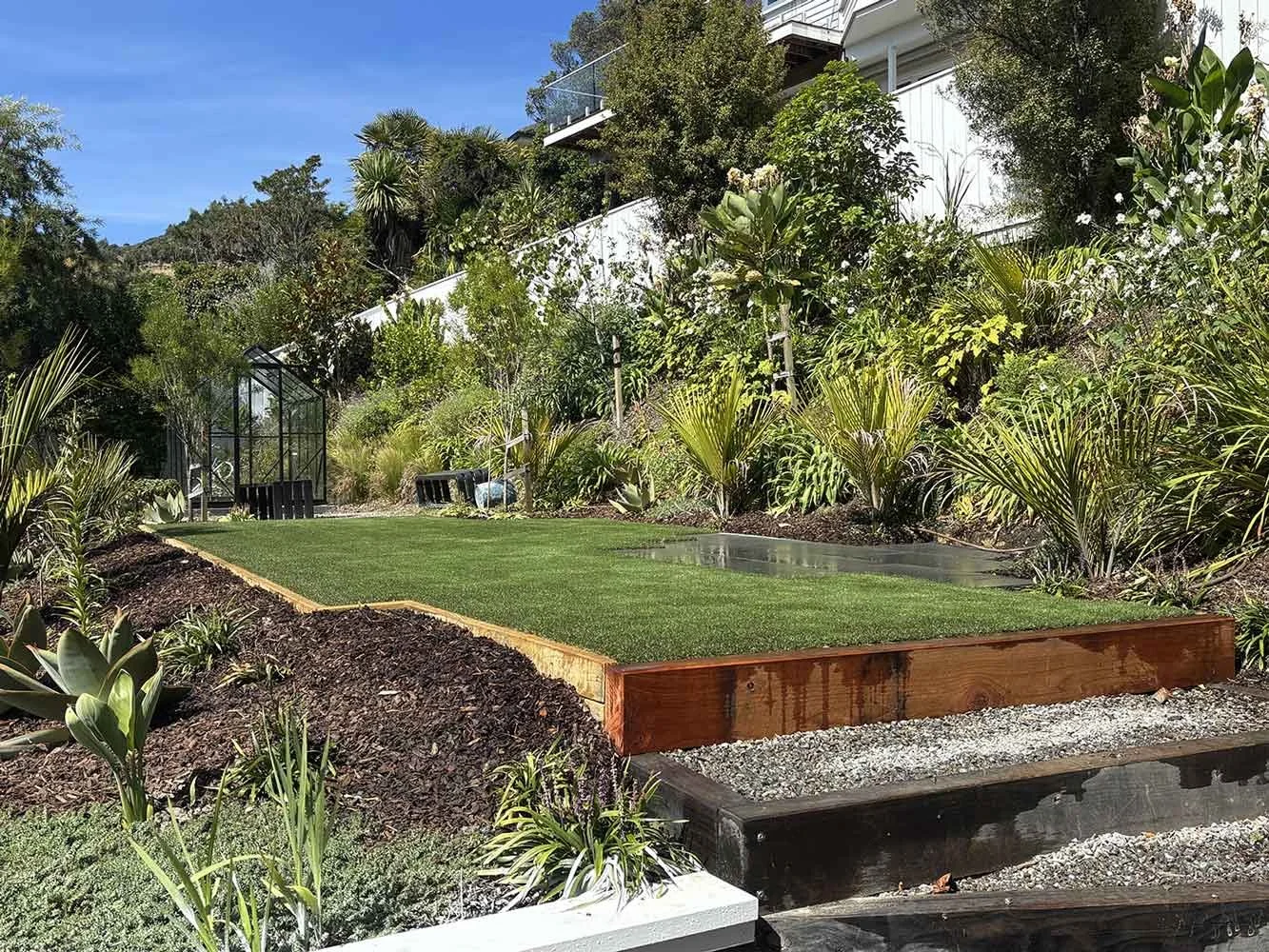
Create defined zones for how you actually use the space
A lot of maintenance comes from trying to make one surface do everything.
In reality, backyards are rarely used that way. Over time, different areas naturally take on different roles – a place where people walk, somewhere to sit, somewhere for kids or pets to play.
When everything is one open lawn, those uses overlap, which is what creates uneven wear and ongoing maintenance.
Breaking the space into zones changes that dynamic. It allows each part of the backyard to support a specific function, rather than trying to handle everything at once.
For example:
Artificial grass for the main usable area
Hard surfaces for seating and entertaining
Garden beds to frame the space and soften the look
This doesn’t just improve layout – it spreads wear more evenly and reduces the pressure on any one surface.
Design for year-round use
One of the biggest limitations with natural grass is how dependent it is on conditions.
In winter, it becomes soft, wet, and easily damaged. In summer, it can dry out, thin, or become uneven depending on how it’s used.
Artificial grass removes that variability. Because it doesn’t rely on growth cycles or weather conditions, it stays usable regardless of the season.
That consistency often becomes the biggest benefit over time. You’re not adjusting how you use the space based on weather — the space simply works when you need it to.
If you’re trying to visualise how that looks across different setups, downloading the brochure can help you compare styles and see how they’re used in real spaces.
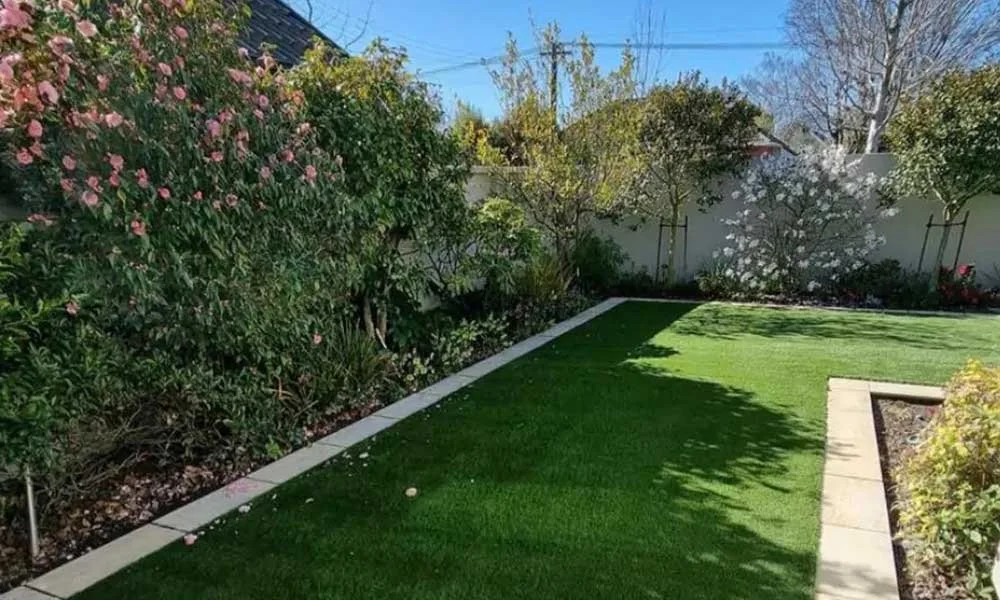
Simplify edges and transitions
Edges are one of the most underestimated parts of a backyard when it comes to maintenance.
They require constant attention - trimming, reshaping, stopping grass from spreading into garden beds or pathways.
Over time, this becomes one of those background tasks that never really goes away.
Using artificial grass with defined edges (like pavers, timber, or concrete) removes that entirely. It creates a clean, structured finish that holds its shape without needing regular upkeep.
It’s a small design decision, but it can significantly reduce the ongoing time spent maintaining the space.
Pair with low-maintenance planting
Low-maintenance doesn’t mean removing plants – it just means being more intentional about what you include.
Instead of high-maintenance gardens that need constant pruning, watering, and reshaping, the focus shifts to planting that supports the space without adding work.
This might include:
Native plants that suit local conditions
Mulched garden beds that reduce weeds and retain moisture
Simple layouts that don’t require constant adjustment
Artificial grass works well here because it provides a stable base around these elements, rather than something that needs to be managed alongside them.
Why artificial grass works for low-maintenance backyards
Artificial grass removes many of the variables that make natural lawns unpredictable.
Instead of reacting to wear, weather, and seasonal growth, you’re starting with a surface that’s designed to stay consistent.
Eliminates mowing, watering, and fertilising
Holds up in both high-traffic and low-light areas
Maintains an even appearance across the entire space
Beyond the practical side, it also reduces the mental load. You’re not constantly thinking about what needs to be fixed, when to mow, or whether the lawn will hold up — it simply becomes one less thing to manage.
If you want to explore what might suit your space, you can order a free sample to compare textures and see how it works alongside your existing materials.
When it’s worth making the switch from natural grass to an artificial lawn
A low-maintenance approach usually becomes relevant when the same issues keep repeating.
It often builds gradually – fixing one patch, then another, then dealing with mud, then reseeding again.
Over time, it becomes clear that the issue isn’t a one-off problem, but the conditions themselves.
That might look like:
Fixing the same areas every season
Avoiding parts of the yard because they’re messy or unusable
Spending time maintaining something that doesn’t hold up
At that point, it’s less about improving the lawn and more about removing the source of the problem altogether.
A quick note before you start
Before making any changes, it helps to step back and look at how the space is actually used.
Where do people naturally walk? Which areas get messy after rain? Where do you actually want to spend time?
Designing around real use — rather than just layout — is what makes the biggest difference long term.
And if you’re still weighing up options, ordering a sample or downloading the brochure is a simple way to move from ideas into something more tangible and easier to visualise in your own space.