
Dog-friendly backyard ideas that actually hold up over time
Designing a backyard for your dog sounds simple, until you start dealing with worn grass, muddy patches, and areas that never quite recover.
Dogs don’t use a backyard evenly. They create patterns like the same running lines, the same resting spots, the same areas they return to again and again.
Over time, that repetition puts pressure on natural grass in a way it’s not designed to handle.
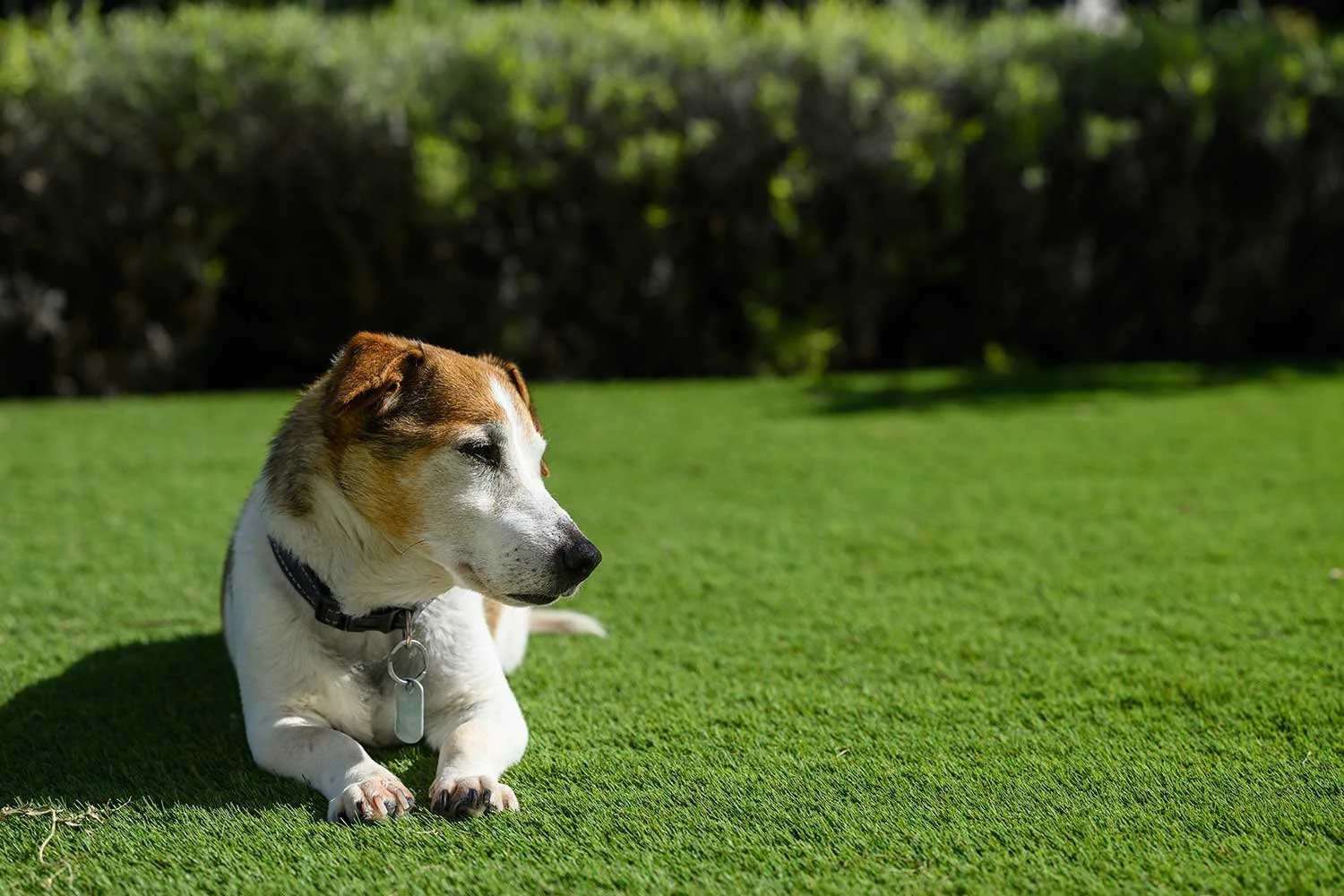
Why natural lawns struggle with dogs
The challenge isn’t just activity – it’s how predictable that activity is.
Dogs tend to:
Run along the same routes, creating visible paths
Use the same areas for the toilet
Dig or wear down softer sections
This concentrated use means certain parts of the lawn carry most of the impact.
Once those areas start to break down, they rarely recover fully – especially if the behaviour doesn’t change. Instead, they become ongoing problem zones that require constant attention.
Dog-friendly backyard ideas that work
Create durable play areas
Instead of trying to protect the entire lawn, it’s more effective to focus on where your dog actually spends time.
These areas are usually easy to identify — near doors, along fences, or open spaces used for play.
Artificial grass works well here because it doesn’t depend on regrowth. It maintains its structure even with repeated use, which removes the ongoing cycle of damage and repair.
If you’re unsure what would feel right underfoot, you can order a free sample to test softness and durability before committing.
Designate a toilet area
Trying to manage the entire backyard can quickly become overwhelming, especially when it comes to cleaning.
Creating a designated area introduces a level of control that natural lawns don’t easily allow. This means:
Wear is contained to one space
Cleaning becomes more predictable
The rest of the yard stays more consistent
Artificial grass supports this because it allows liquid to drain through rather than sitting on the surface or soaking into soil.
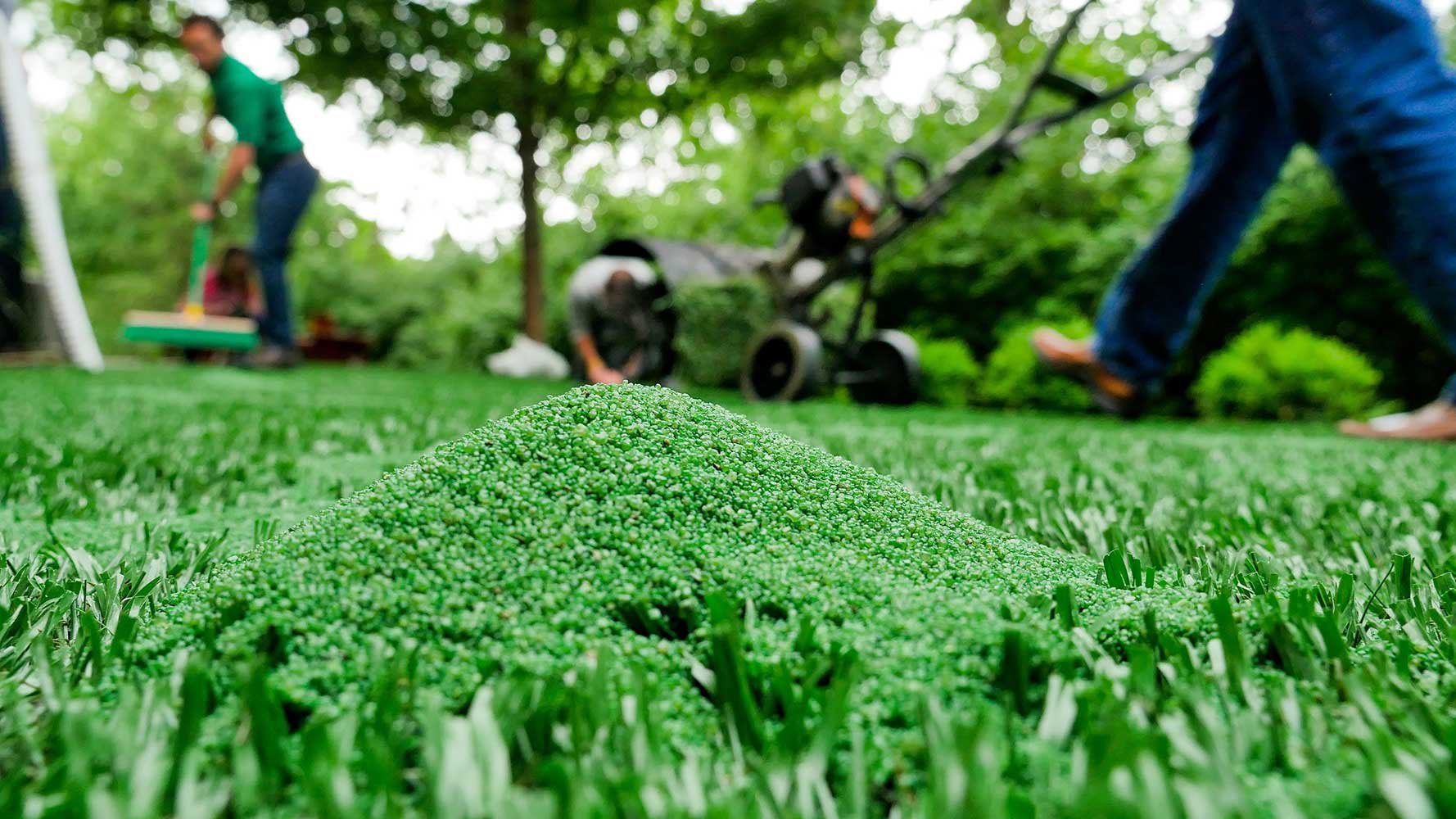
To take this a step further, many pet-friendly installations use an infill like Envirofill.
Envirofill is designed specifically for environments like this. It helps:
Reduce odour by limiting bacteria buildup
Support hygiene in high-use pet areas
Keep the surface cooler and more comfortable underfoot
This becomes especially valuable in toilet zones, where repeated use would normally lead to smell or bacteria issues over time.
You can learn more about how it works here
Reduce mud and mess
Mud rarely appears overnight — it develops as the lawn breaks down.
Once the grass thins out and soil is exposed, even light rain can turn the area soft. Add repeated use, and it quickly becomes difficult to manage.
Artificial grass changes that dynamic completely. Because it sits on a draining base, water moves through the system instead of sitting on top.
When paired with the right infill (like Envirofill), the surface doesn’t just stay dry — it also stays cleaner and more hygienic, which reduces that “dog yard smell” that can build up over time.
This keeps the surface drier and reduces the amount of dirt being tracked into the house, which is often one of the biggest day-to-day frustrations for pet owners.
Use secure and simple boundaries
Structure plays a bigger role than most people expect.
Dogs naturally follow edges — along fences, borders, and pathways. If those edges are undefined, it can lead to more random wear across the space.
By introducing clear boundaries, you guide movement in a way that protects the rest of the yard without restricting how your dog uses it.
Is artificial grass safe for dogs?
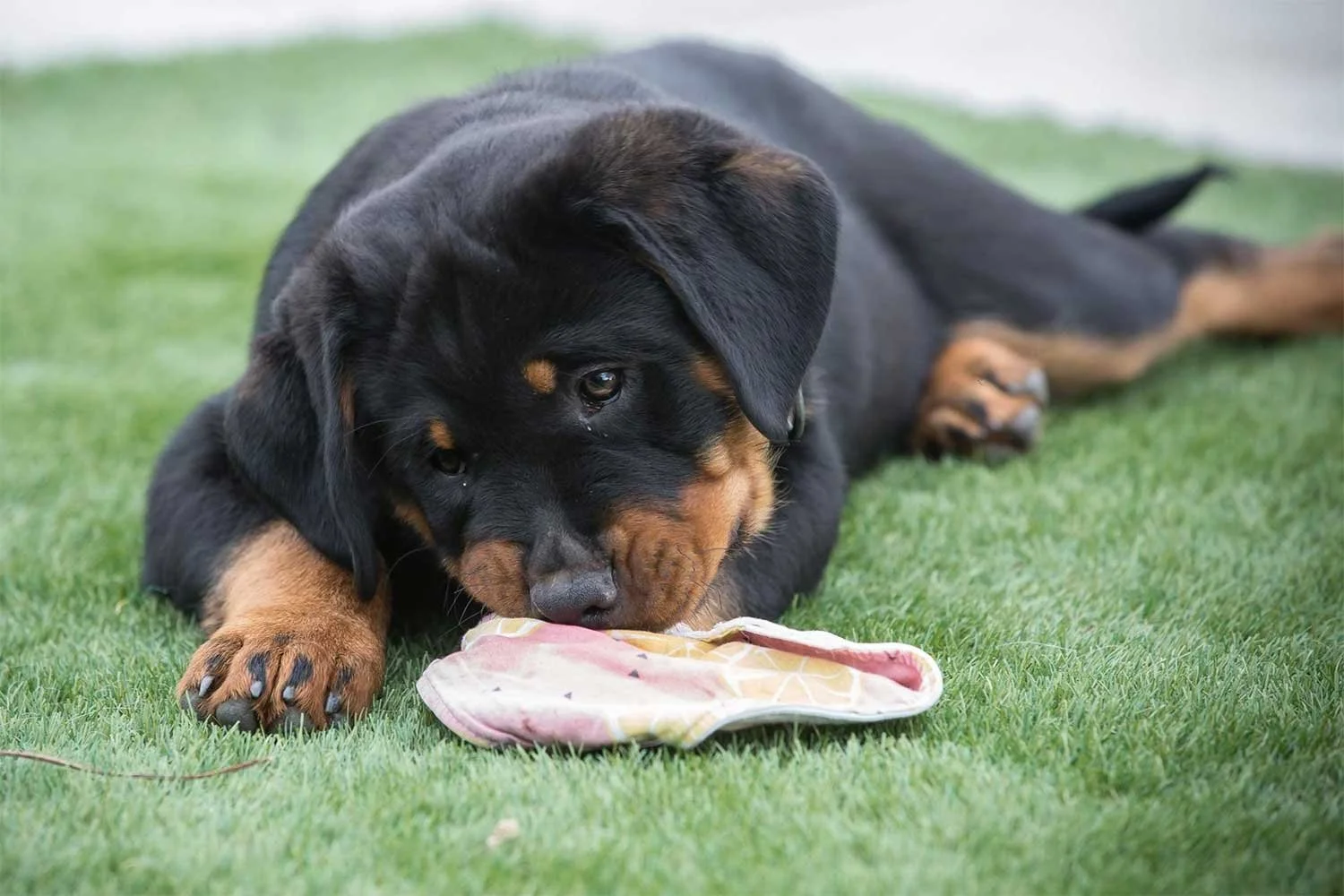
Yes, modern artificial grass is designed for everyday use, including pets.
Non-toxic
Durable under regular activity
Easy to clean
Many systems are also designed with pet use in mind at every layer — from the drainage base through to the infill. Options like Envirofill add an extra layer of hygiene, helping control bacteria and odour in a way natural grass can’t.
You can explore pet-friendly artificial grass options here
Or, if you want to compare finishes and understand what might suit your space best, downloading the brochure is a helpful next step.
What makes artificial grass a practical option for pet owners
Artificial grass removes many of the variables that make natural lawns difficult with dogs.
Instead of trying to maintain a surface that constantly changes, you have one that stays consistent.
It doesn’t wear down in the same way, it doesn’t turn to mud, and it doesn’t rely on regrowth to recover.
And with the right setup – including proper base preparation and infill – it also stays cleaner and easier to manage over time.
That consistency is what makes it easier to manage long term.
When it’s worth considering
If you’re dealing with the same issues over and over — patchy grass, mud, constant cleaning - it’s usually a sign that the surface isn’t suited to how it’s being used.
At that point, it often makes more sense to move to a solution that works with those conditions.
If you’re at that stage, ordering a sample is a simple way to test whether it feels right before making a bigger change.