DIY lawn package vs full installation: which is right for you?
If you've decided artificial grass could be right for your backyard, the next question is often how you're going to install it.
Do you take on the project yourself with a DIY lawn package, or leave the entire job to professional installers?
The answer isn't necessarily the same for every backyard.
Artificial grass can be a rewarding DIY project for homeowners who enjoy getting stuck into landscaping projects and have a relatively straightforward space to work with. For other backyards, challenges such as drainage, uneven ground, difficult access or a more complicated layout can make professional installation a much easier option.
The right choice usually comes down to your space, your experience, how much work you're comfortable taking on and the finish you're hoping to achieve.
What does a DIY artificial grass project actually involve?
One of the first things to understand about DIY artificial grass installation is that there's more involved than simply buying a roll of turf and laying it over the existing lawn.
The artificial grass itself is only the visible part of the finished project. What happens underneath it has a big influence on how the lawn looks, feels and performs over time.
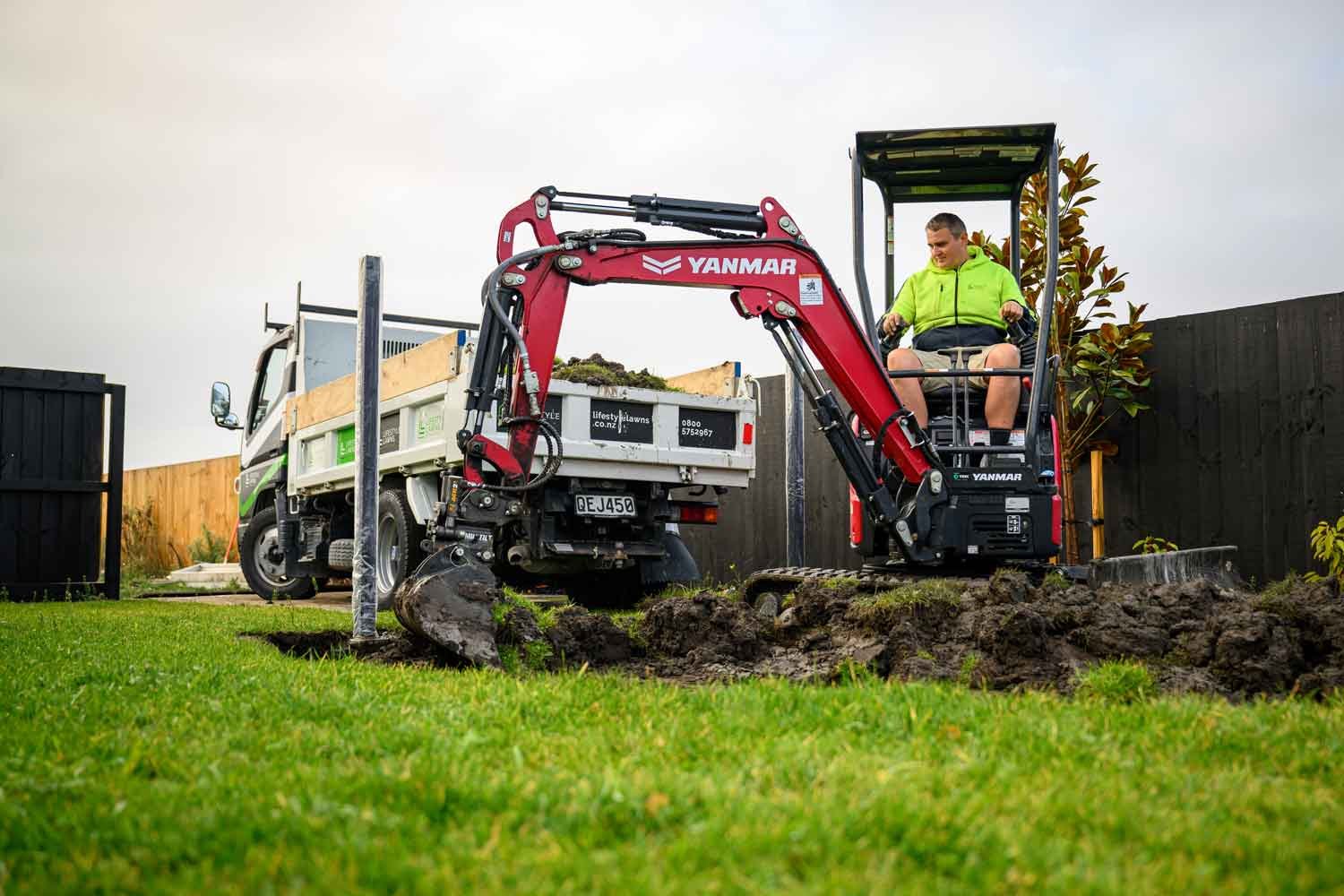
Depending on the site, preparation may involve removing the existing lawn or surface, excavating the area, establishing the correct levels, preparing and compacting the base, positioning and cutting the artificial grass, joining sections where required and carefully finishing the edges.
None of these steps automatically make artificial grass unsuitable for DIY. They simply mean it's worth understanding the full scope of the project before deciding to take it on.
If you're comfortable with landscaping, have completed similar projects around the home or simply enjoy hands-on work, a DIY lawn package can give you the opportunity to create your own artificial lawn while reducing the labour component of the project.
If you're still researching what's actually underneath a finished artificial lawn, our blog about what goes under artificial grass covers the different layers and why good preparation matters.
When DIY artificial grass can be a great option
DIY can work particularly well when the backyard itself is relatively straightforward. A smaller area with good access, reasonably level ground and a simple rectangular layout is naturally going to be easier to tackle than a large backyard with curves, garden beds, steps and significant changes in level. Your own experience matters too.
If you've built a deck, laid paving, tackled landscaping projects or are generally comfortable using tools and working outdoors, installing artificial grass may be a project you're happy to take on.
Time is another consideration. Some homeowners genuinely enjoy spending a weekend or two transforming their backyard and getting the satisfaction of completing the project themselves. If that's you, DIY can be a great way to be more involved in the transformation.
It can also help reduce the overall project cost by removing professional installation labour, which may allow you to put more of your budget towards the artificial grass itself or other parts of your backyard renovation.
When a DIY installation becomes more complicated
Not every backyard is a straightforward installation. Sometimes the lawn itself is only part of the problem.
If your existing backyard regularly holds water, becomes muddy through winter, has significant dips or changes in level, or has areas that have repeatedly struggled to grow natural grass, it's worth understanding why before installing a new surface.
Artificial grass doesn't need perfect growing conditions, but it does need the right preparation underneath.
Drainage is a good example. If water already pools in particular areas of your backyard, simply replacing the grass won't necessarily address the underlying issue. The site may need additional preparation to ensure water can move through and away from the area correctly. You can learn more about how artificial grass handles water in our blog about artificial grass drainage.
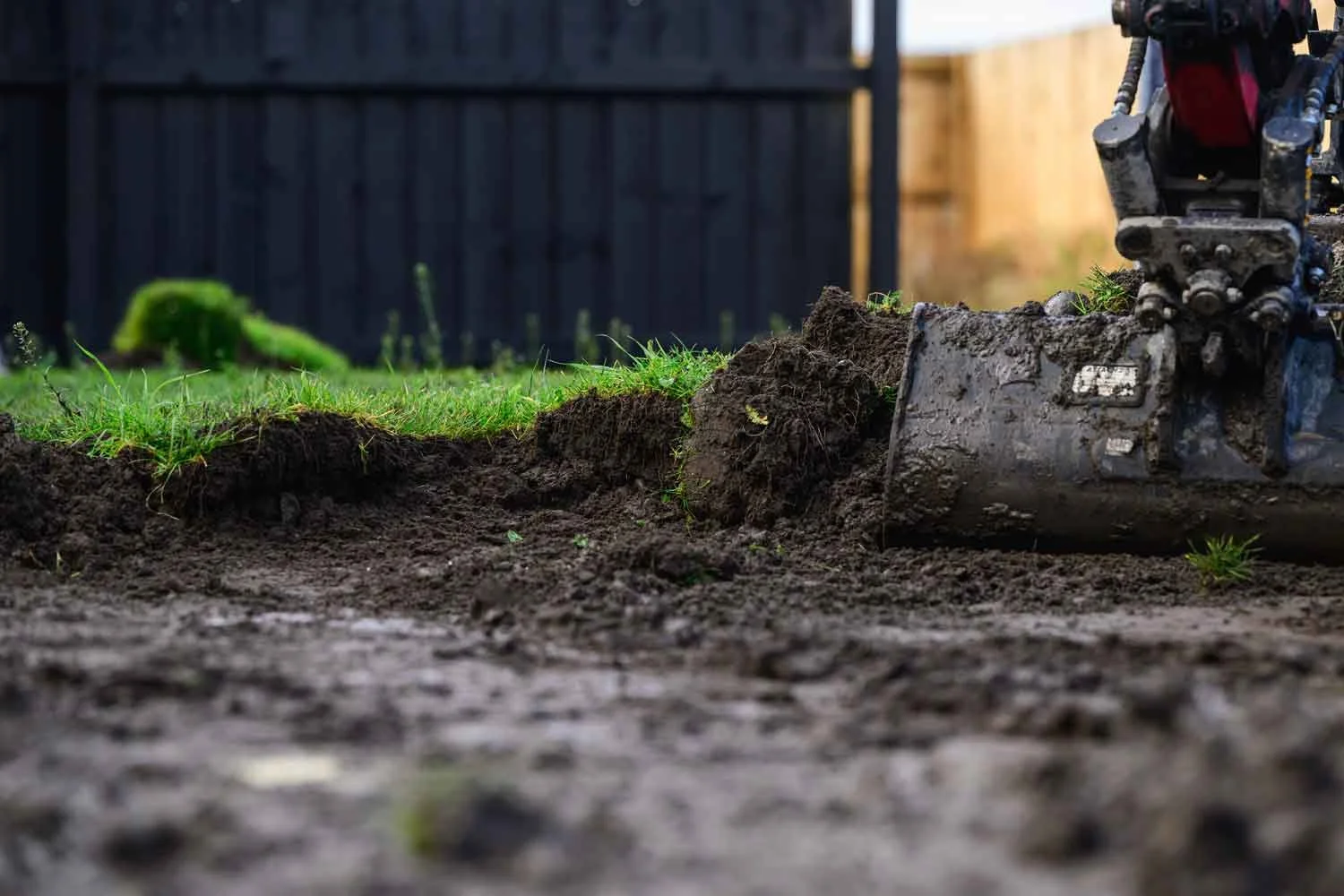
Uneven ground can create similar challenges. Minor imperfections may be relatively easy to address, while significant changes in level, sinking areas or an uneven existing base can require much more preparation.
Access can also make a project considerably more difficult. Removing soil and bringing base materials into an easily accessible front yard is very different from moving everything through a narrow side entrance into a backyard.
Then there's the shape of the space itself.
Large areas, curves, garden beds, pathways and multiple sections of artificial grass can require more careful cutting and joining to achieve a clean, natural-looking finish. The more complicated the layout becomes, the more important accurate preparation and installation become.
None of these things mean you can't DIY your lawn, but they can change the size of the project considerably.
If you're dealing with an existing problem lawn, our blog on professional artificial grass installation for problem lawns looks at some of the conditions that may need to be addressed before a new lawn goes down.
What do you get with full professional installation?
The biggest difference with full installation is that you're handing over the entire project rather than managing each stage yourself. A professional installation starts with understanding the site and how the finished space needs to work.
That includes assessing the existing lawn, access, levels and ground conditions before determining the best approach to preparation and installation.
From there, the team takes care of the physical work involved in preparing the area, establishing the base, installing the artificial grass and completing the finishing work.
For homeowners, the biggest advantage is often convenience. Instead of organising materials, equipment, excavation, waste removal and installation yourself, the project is managed from start to finish.
Professional installers also have experience dealing with the little challenges that don't always become obvious until work begins. Existing levels may not be what they appeared to be. Ground conditions can vary across a backyard. Drainage may need additional consideration. A seemingly simple edge or join can require a different approach once the area is prepared.
Having someone who deals with these situations regularly can make the process much more straightforward.
If you'd like to understand what happens from the first site visit through to the finished lawn, we've covered the process in more detail in what a full artificial grass installation looks like.
DIY vs full installation: think beyond the upfront cost
Cost will naturally be part of the decision for most homeowners.
DIY artificial grass installation can reduce the overall cost of a project because you're providing the labour yourself. For someone with the right skills, tools and time, that can make it an appealing option.
However, it's worth looking beyond the artificial grass itself when comparing the two.
A DIY project may also involve excavation, base materials, equipment or tool hire, disposal of the existing lawn and soil, transport and, importantly, your own time.
For a straightforward project, those things may still make DIY a very worthwhile option.
For a more complicated site, the difference can become smaller once you account for everything required to complete the job properly. There's also the potential cost of correcting work if something needs to be redone later.
Professional installation costs more upfront because you're paying for labour and experience as well as the finished lawn. What you're really buying is the convenience of having the preparation, installation and finishing managed for you.
Rather than asking which option is cheapest, it can be more useful to ask which one represents the best value for your particular project.
Think about the finish you're trying to achieve
The type of backyard you're creating should also influence your decision.
If you're replacing a small area of lawn beside the house or upgrading a straightforward side yard, you may feel completely comfortable taking the project on yourself. If you're investing in a larger backyard renovation with new decking, paving, landscaping and premium artificial grass, the finish may become much more important.
In those spaces, the lawn often connects several parts of the landscape together. Levels need to work alongside paving and decking, edges need to meet garden beds neatly, and joins should disappear as naturally as possible.
This is where professional installation can add value beyond simply saving you the physical work.
The aim isn't just to install artificial grass. It's to make sure the finished lawn feels like it belongs within the wider landscape.
If you're still deciding which product would work best for your space, our guide to how to choose the best artificial grass for your backyard looks at the differences between artificial grass options and what to consider before choosing.
DIY or professional installation: a simple way to decide
If your backyard is relatively small, straightforward and easy to access, and you're confident taking on landscaping projects, a DIY artificial grass package may be a great fit.
If the site is large, uneven, difficult to access or has existing drainage or ground-condition issues, professional installation may save considerable time and make the overall project much easier. Your available time matters too.
DIY can be incredibly satisfying when you actually want the project. It becomes much less enjoyable when you're trying to squeeze excavation, preparation and installation into already busy weekends.
Likewise, professional installation isn't necessary simply because you haven't installed artificial grass before. If you're practical, willing to learn and working with a manageable site, doing it yourself may be completely achievable. The important thing is choosing based on the reality of your backyard rather than assuming one option is automatically better than the other.
Whichever option you choose, start with the right advice
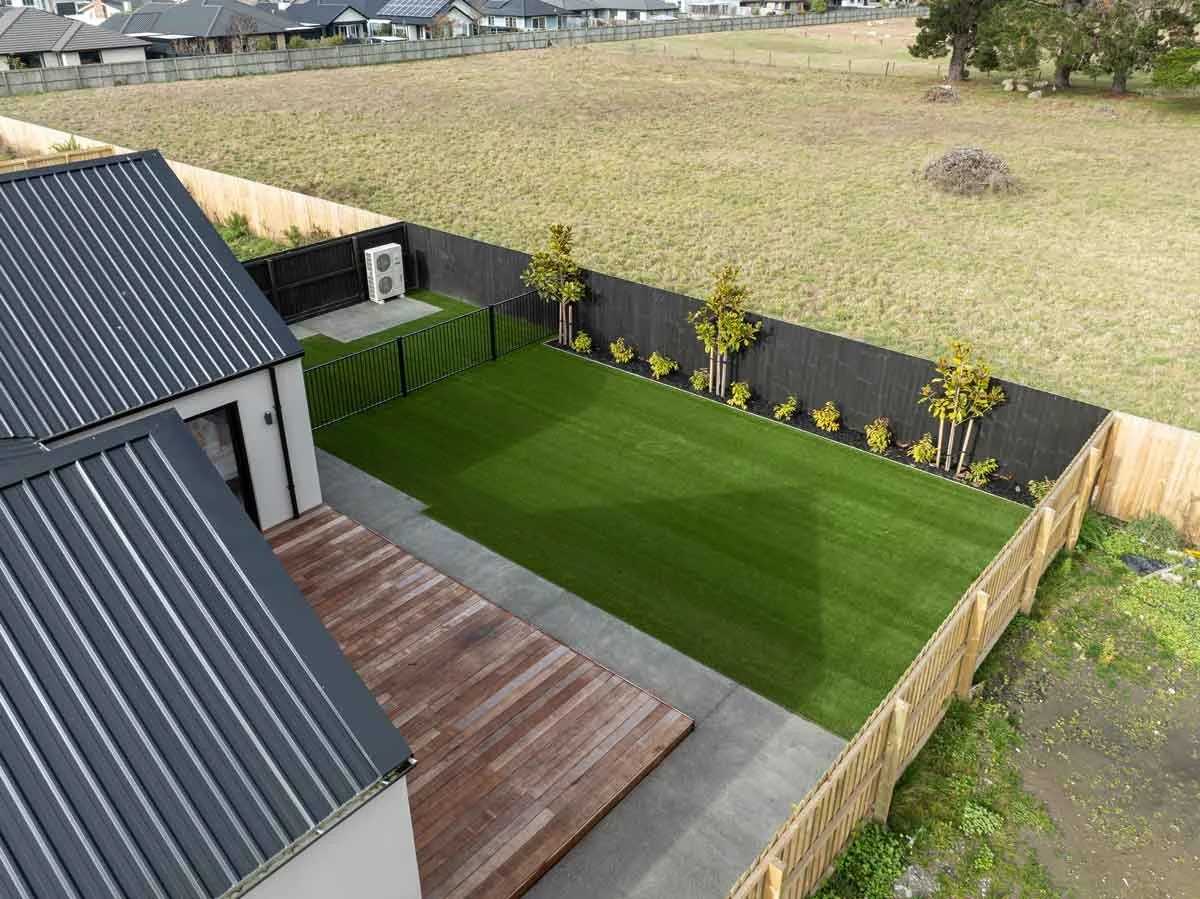
There's no single right way to create an artificial lawn. Some homeowners love being involved in every stage and enjoy the satisfaction of standing back at the end knowing they completed the project themselves. Others would rather hand the job over, avoid losing several weekends to landscaping and simply enjoy the finished backyard. Both approaches can work.
The important thing is starting with a good understanding of your site, choosing quality artificial grass and making sure the preparation is appropriate for the conditions in your backyard.
If you're unsure which route makes the most sense, getting some advice before you begin can help you understand what's involved and avoid making the decision based on cost alone.
Not sure whether a DIY lawn package or full installation is right for your backyard?
Every backyard is different, and sometimes the easiest way to decide is to talk through the project first. Whether you're considering a DIY lawn package or would prefer our team to take care of the complete installation, we can help you understand what's involved and choose the best option for your space.
FAQs
-
The difficulty depends heavily on your site. A small, relatively level area with straightforward access can be much easier to manage than a large backyard with drainage issues, uneven ground, curves or multiple joins. It's worth understanding the full preparation and installation process before deciding whether DIY is right for you.
-
DIY can reduce labour costs, but you'll still need to account for ground preparation, base materials, equipment or tool hire, waste removal and your own time. For straightforward sites, it can be a cost-effective option, while more complicated projects may benefit from professional installation.
-
Smaller, relatively level areas with good access and no significant drainage problems are generally better suited to DIY. If your backyard has major changes in level, water pooling, difficult access or a complicated layout, it's worth getting professional advice before you start.
-
Yes. A DIY artificial grass package can be a good option for homeowners who are comfortable completing the preparation and installation themselves. Talk to the Lifestyle Lawns team about your project, and we can help you understand your options.
-
For larger or more complicated projects, professional installation can be worthwhile because the preparation, levels, installation and finishing are managed as part of the project. It can also be a good choice if convenience or achieving a particularly polished finish is a priority.