
How do you get rid of moss in your lawn, and why does it keep coming back?
If you've ever tried to get rid of moss in your lawn, you may already know how frustrating it can be. You rake it out, treat the area and encourage the grass to grow back. For a while, everything looks better. Then winter arrives, or the weather turns wet, and the moss slowly starts appearing in exactly the same place.
The reason is relatively simple: moss is often a symptom of the conditions in your backyard rather than the underlying problem itself. Removing it can improve the lawn temporarily, but if the conditions that allowed the moss to grow haven't changed, there's a good chance it will eventually return. Understanding why it's growing in the first place is usually the best place to start.
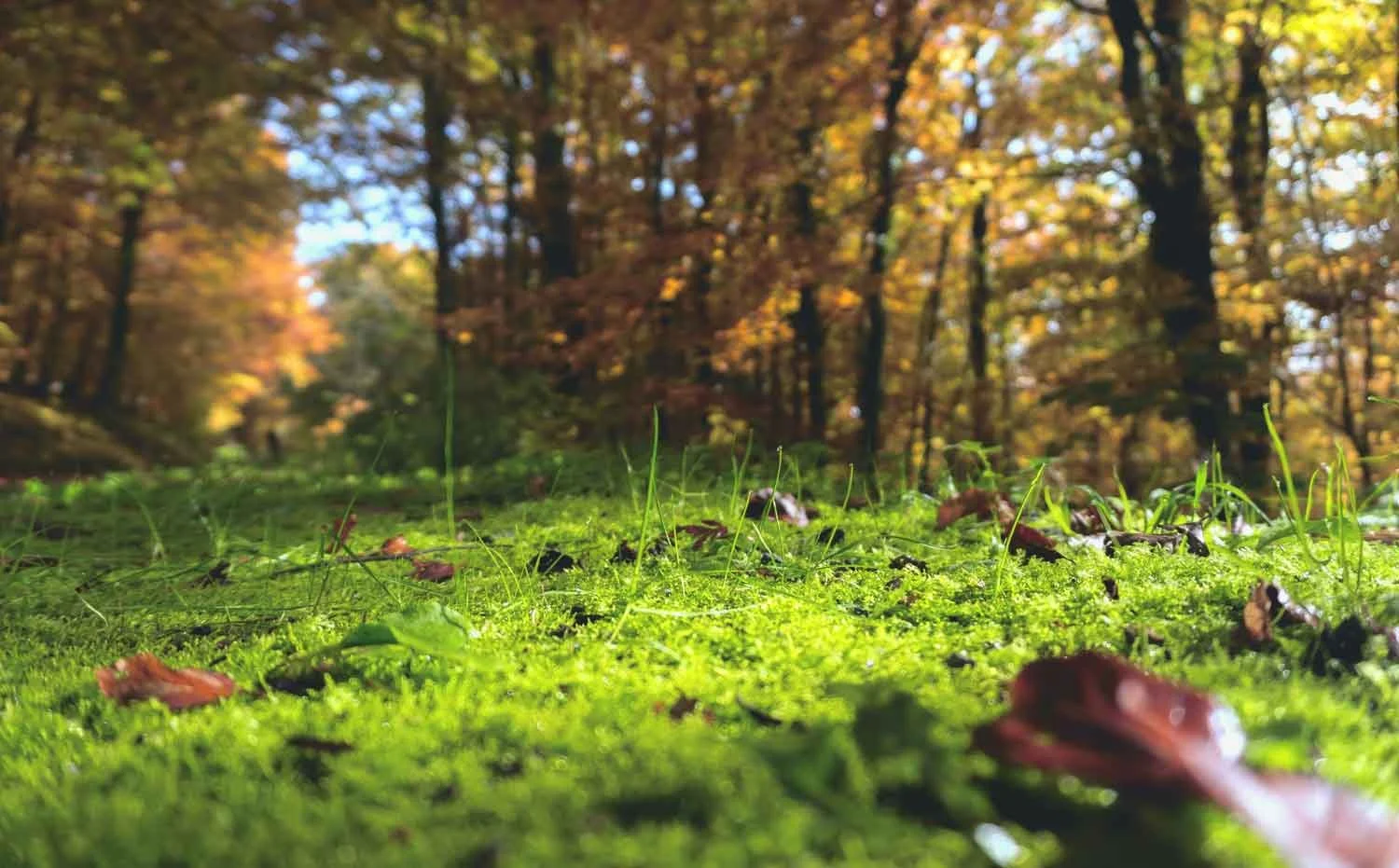
Why does moss grow in lawns?
Moss tends to establish itself where natural grass is already struggling. Unlike grass, moss can cope particularly well with damp, shaded conditions. If an area of your lawn receives very little sunlight, stays wet for long periods or has compacted ground beneath it, grass may gradually become thinner and weaker. As the lawn thins, moss has more space to establish. This is why you often see moss appearing beneath established trees, beside fences, along shaded sides of homes or in areas where water regularly sits after rain.
Heavy foot traffic can contribute too. When the same area is constantly being walked over, played on or used by pets, the soil can become compacted and the natural lawn may struggle to recover. It's also common for several of these conditions to occur together.
A shaded part of the backyard may stay wetter because it receives less direct sunlight. The soil may then remain damp for longer, while weak grass growth creates more opportunities for moss to spread.
If grass struggles throughout your backyard rather than in one isolated area, our blog on why your lawn keeps going patchy looks at some of the other common causes.
How do you get rid of moss in your lawn?
If moss has started taking over part of your lawn, the first step is usually removing the existing growth.
Depending on how much moss is present, this may involve raking or scarifying the lawn to remove moss and other built-up material from around the grass. There are also lawn moss treatments available that can be used according to the manufacturer's directions. Once the moss has been removed, the lawn may look fairly bare. That's because the moss was often filling spaces where healthy grass had already disappeared.
The next stage is helping the natural lawn recover. Depending on the condition of the area, that might involve improving the soil, aerating compacted ground, reseeding thin sections and giving the new grass the conditions it needs to establish. For a small amount of moss in an otherwise healthy lawn, that may be enough. But removing the moss is only half the job.
If the same area is permanently shaded, stays wet after rain or has underlying drainage or compaction problems, treating what's visible on the surface won't necessarily stop the moss from returning.
Why does moss keep coming back?
If you've removed moss several times and it continues to return, it's worth paying attention to where it's growing. Often, the pattern tells you more than the moss itself.
Does it always appear along the shaded side of the house?
Is it concentrated beneath trees or beside a tall fence?
Does the ground feel noticeably wetter in that area after rain?
Does water sit on the surface?
Is it growing in the same place where the grass becomes thin every winter?
These clues can help identify what's actually happening.
Shade is one of the most common challenges. Natural grass needs enough light to grow strongly, and some parts of a backyard simply don't receive much direct sunlight. Even if you successfully remove the moss and reseed the area, the new grass may struggle to establish if the underlying conditions haven't changed. Moisture can create a similar cycle.
A lawn that stays wet for long periods may become difficult for natural grass to thrive in, particularly during cooler months when growth slows. If water is regularly pooling or the backyard becomes muddy after rain, there may be a broader issue worth investigating.
Our blog on how to fix a muddy backyard looks more closely at why some lawns remain wet and difficult to use.
Compaction can also play a role, particularly in busy areas. Children, pets and regular foot traffic can gradually compress the ground underneath the lawn. This can make it harder for healthy grass to establish and may contribute to the damp, thin conditions where moss can take hold.
The important thing is to look beyond the moss itself. If it keeps returning, your lawn may be telling you that something about that particular part of the backyard isn't working particularly well for natural grass.
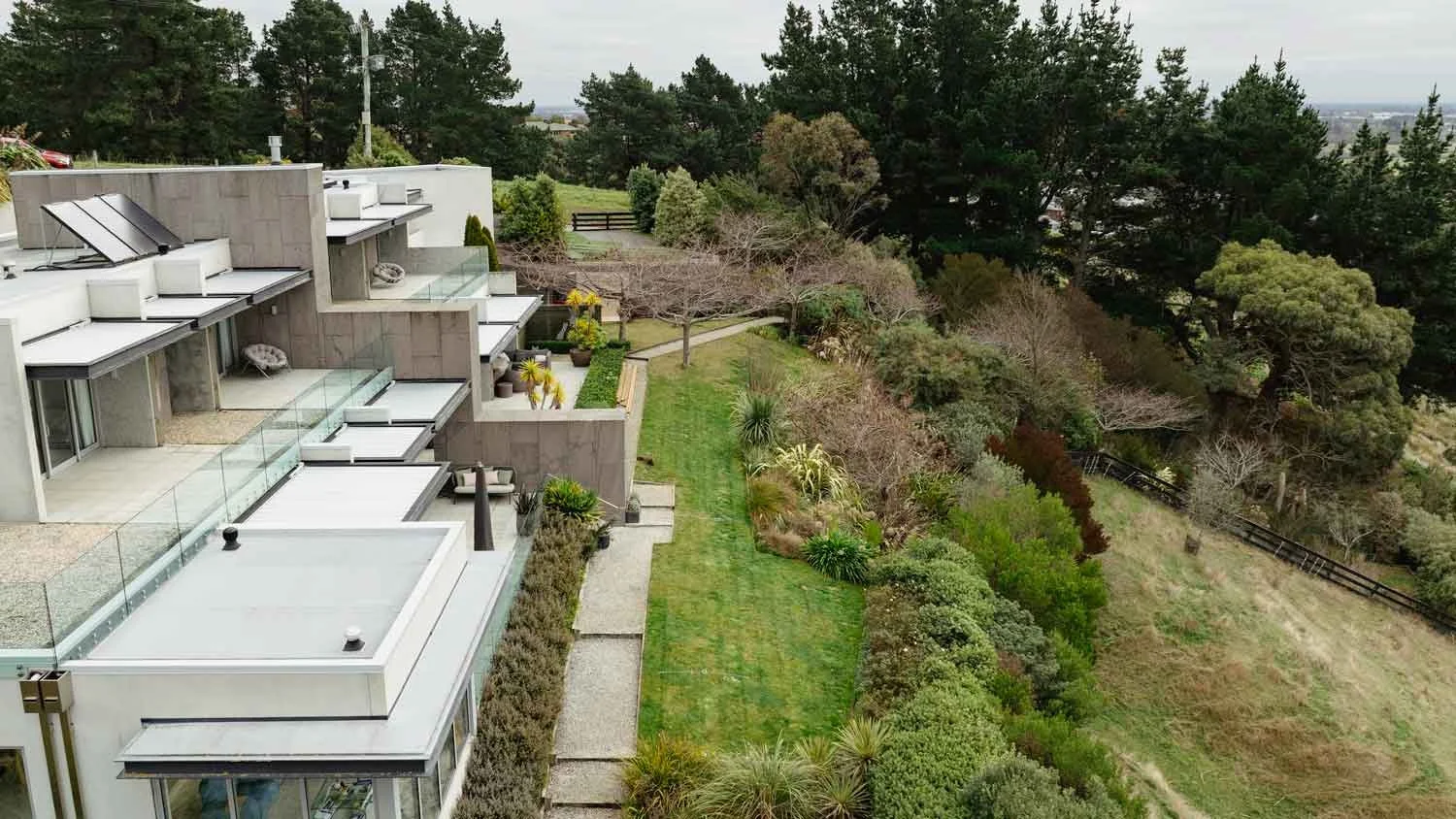
Why some Christchurch lawns can be difficult to keep moss-free
Christchurch and wider South Island conditions can add another layer to the problem.
During cooler months, some backyards receive significantly less sunlight than they do in summer. Areas beside the house, south-facing sections and lawns surrounded by established planting can remain shaded and damp for much of the day.
Natural grass also grows more slowly during colder periods, giving damaged or thin areas less opportunity to recover.
Add regular winter rain, frost and a backyard that already holds moisture, and you can end up with conditions where moss performs better than the grass around it.
That doesn't mean every shaded or damp Christchurch lawn will develop moss. It simply means that if your lawn is already struggling, seasonal conditions can make the problem more noticeable.
This is particularly common in parts of the backyard where several challenges overlap, such as a shaded lawn that also receives heavy foot traffic or an area where water takes longer to drain away.
Can you stop moss from coming back?
The best way to prevent moss from returning is to improve the conditions that are allowing it to grow. In some backyards, that's relatively straightforward.
Aerating compacted soil may help improve growing conditions. Managing excess moisture can make the area more suitable for natural grass. Pruning back planting may allow more sunlight into a previously shaded lawn, while repairing and reseeding thin areas can help create stronger grass coverage that leaves less room for moss to establish. But not every backyard can be changed easily.
You can't move the house that's creating shade across a side yard. You may not want to remove established trees just to give the lawn more sunlight. And some parts of a property will naturally stay cooler and damper because of their position.
That's where it's worth being realistic about what you're asking natural grass to do. If you've treated the moss once and the lawn recovers well, continuing with natural grass may be completely practical.
If you've spent several winters repeating the same process and the moss continues returning to exactly the same area, it may be worth considering whether constantly repairing the lawn is the best long-term solution.
When the problem isn't really the moss
Sometimes moss is simply the most visible sign of a backyard that natural grass finds difficult.
You may also notice bare patches, mud, slow growth or areas that never look quite as healthy as the rest of the lawn. Homeowners often spend years treating these problems individually. The moss gets removed. Bare areas get reseeded. Mud is covered or repaired. The lawn improves temporarily, then another winter arrives and the same problems begin again.
At that point, the question may no longer be "How do I get rid of the moss?" It may be "Is natural grass actually the right surface for this part of my backyard?" That doesn't automatically mean replacing the entire lawn.
Sometimes the most practical solution is changing only the area that's causing problems. A shaded side yard, frequently used pathway or damp section of lawn may need a different approach from the sunnier, healthier parts of the garden.
Looking at how the whole backyard functions can often lead to a better solution than continuing to repair the same section every year.
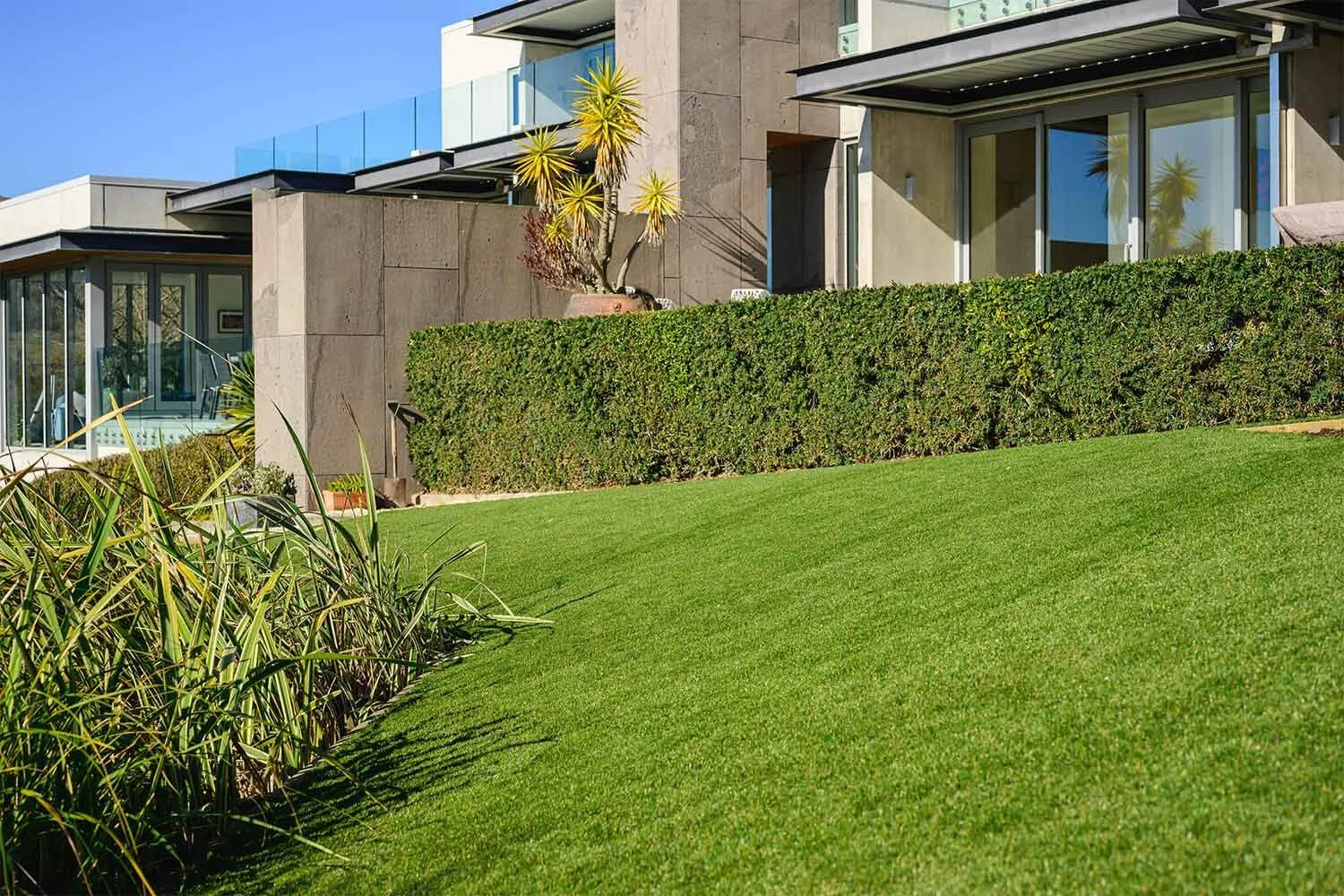
When artificial grass becomes worth considering
Artificial grass can be a useful option for parts of the backyard where natural grass repeatedly struggles because it doesn't rely on sunlight or growing conditions to maintain its appearance.
For shaded spaces, high-use areas and difficult sections of lawn, that can mean a cleaner and more consistent surface throughout the year. However, artificial grass shouldn't simply be laid over an existing problem.
If excessive moisture, poor levels or drainage are contributing to the condition of your natural lawn, the site still needs to be properly assessed and prepared before a new surface is installed.
Artificial grass is designed to allow water to move through the surface, but what happens underneath is equally important. If water is a major concern in your backyard, our blog on how artificial grass drains explains this in more detail.
For particularly challenging sites, professional artificial grass installation for problem lawns also looks at how the conditions underneath the lawn can be addressed as part of the installation. The goal isn't necessarily to replace natural grass at the first sign of moss. It's to recognise when you're repeatedly treating a symptom rather than solving the underlying problem.
Finding the right solution for your lawn
A small amount of moss in an otherwise healthy lawn is usually manageable. Remove it, help the grass recover and look at whether there are simple changes you can make to improve the growing conditions. Recurring moss is different.
If the same sections continue becoming mossy, thin, muddy or difficult to maintain despite repeated treatment, it's worth taking a closer look at what's happening in that part of your backyard.
Sometimes improving the conditions is enough to help natural grass thrive again.
In other situations, particularly where shade, moisture or heavy use can't realistically be changed, choosing a different surface may provide a more practical long-term solution. Understanding the cause first will help you make the right decision rather than continuing to fight the same problem season after season.
Tired of dealing with the same problem lawn?
If moss, shade or wet conditions are making it difficult to maintain healthy grass, we'd love to help you explore a more practical solution for your space.
FAQs
-
Removing existing moss is only part of the solution. To reduce the chance of it returning, you'll also need to address the conditions encouraging it to grow, which may include excessive shade, moisture, compacted ground or weak grass growth.
-
Moss commonly appears where natural grass is struggling. Shaded, damp or compacted areas can provide conditions where grass becomes thinner and moss is able to establish more easily.
-
Not necessarily. Excess moisture and poor drainage can contribute to moss growth, but shade, compaction and weak grass can also play a role. Look at the wider conditions in the affected area rather than assuming drainage is the only cause.
-
Grass can recover after moss is removed if the underlying growing conditions are suitable. If the area remains heavily shaded, wet or compacted, you may need to improve those conditions before the lawn can establish successfully.
-
Depending on how the area is used, alternatives can include artificial grass, paving, decking, planting or a combination of different surfaces. Artificial grass can be particularly useful where you still want a soft, green lawn appearance but natural grass repeatedly struggles to grow.