
How to level a lawn: what to do with an uneven backyard
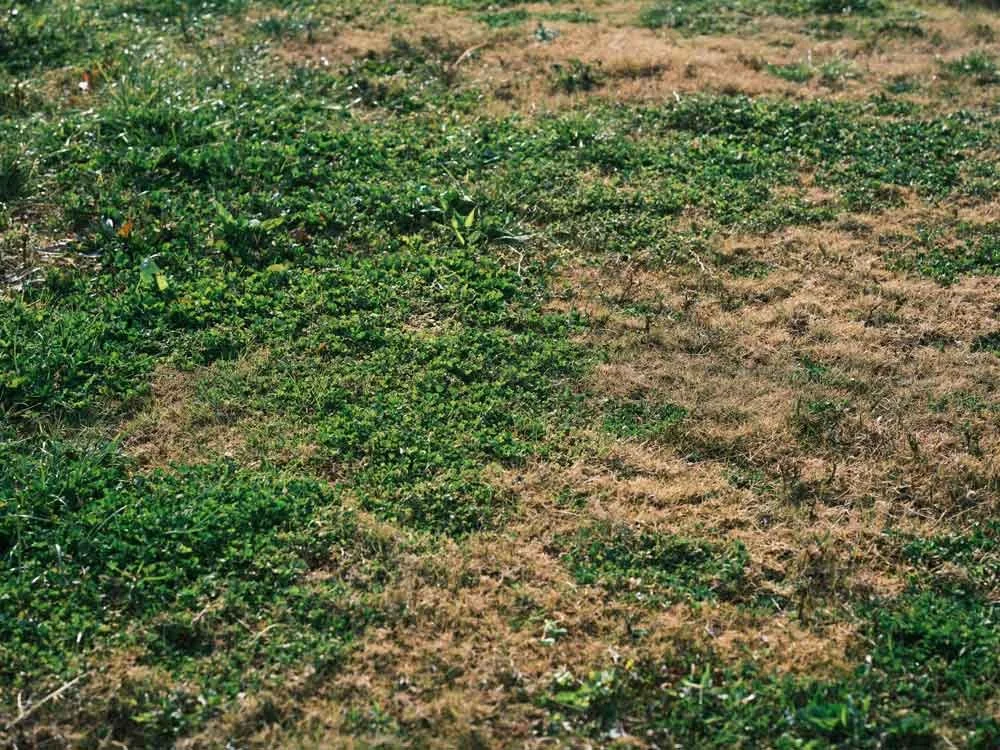
An uneven lawn can start as a relatively small annoyance.
A few bumps or dips might not seem like a major problem until the mower starts catching on high spots, water collects in the same low areas after rain, outdoor furniture never sits quite level or the kids keep finding the uneven patches while they're running around.
Over time, those little imperfections can also make the whole backyard look less finished, particularly when you're trying to improve the surrounding landscaping.
If you're wondering how to level a lawn, the first instinct might be to add some soil to the low areas and flatten everything out. Sometimes that's exactly what's needed. But before you start filling dips or removing high spots, it's worth understanding why your lawn became uneven in the first place.
The cause will often determine whether you're dealing with a relatively simple lawn repair or something that needs a little more attention underneath.
Why does a lawn become uneven?
Lawns can become uneven for all sorts of reasons, and it isn't necessarily a sign that anything has gone seriously wrong. Ground naturally settles over time. Areas that were previously excavated or landscaped can settle differently from the surrounding soil, while repeated foot traffic can gradually compact some parts of a lawn more than others.
Children and pets can contribute to wear in the areas they use most frequently. Heavy outdoor furniture, pathways across the lawn and regular entertaining can all place additional pressure on particular sections.
Water can also play a role. If rainwater consistently moves towards one area or collects in low points, the ground may remain softer for longer than the surrounding lawn. Existing drainage problems can make these differences more noticeable, particularly through wetter months.
Then there are things happening underneath the surface. Tree roots can gradually change levels as they grow, previous landscaping work can leave different areas of fill beneath the lawn, and poorly prepared ground can settle unevenly over time.
The important thing is working out whether you're looking at a few minor surface imperfections or whether the levels are changing because of something happening underneath.
First, work out how uneven your lawn really is
Before deciding how to level your lawn, take some time to look at the whole area rather than focusing on the most obvious bump or dip.
Walking around the backyard after rain can be particularly useful. Are there specific places where water consistently collects? Does one section remain noticeably wetter than the rest? Are there areas where the lawn slopes towards the house, paving or another part of the garden?
It can also help to look across the lawn from a lower angle. Small changes in level that aren't obvious when you're standing directly above them can become much easier to see. Think about how long the uneven areas have been there too. A few shallow dips that have developed gradually are very different from a section that keeps sinking after being filled or an entire backyard with significant changes in level.
As a general rule, minor bumps and shallow dips may be relatively straightforward to correct. Larger depressions, recurring sinking, obvious slopes or areas where water consistently pools deserve a closer look before you simply add more material on top.
How to level minor bumps and dips in a lawn
For relatively small imperfections, lawn levelling can often be fairly straightforward. Shallow dips may be gradually corrected using a suitable topdressing material, allowing the existing grass to continue growing through rather than covering it completely. Depending on the lawn and how uneven it is, the process may need to happen gradually rather than trying to correct the entire difference at once.
Small raised areas may also be manageable, although the right approach will depend on what's creating the high spot in the first place. The aim is to create a smoother, more consistent surface without damaging an otherwise healthy lawn. If the grass itself is performing well and you're only dealing with a few minor imperfections, there may be no reason to consider a bigger renovation.
What if your lawn is significantly uneven?
A lawn with substantial dips, large changes in level or areas that repeatedly sink is a different situation. Adding another layer of soil might make the surface look better temporarily, but if the ground underneath continues moving, the same problem can eventually reappear. This is where it's worth asking what happened before the lawn became uneven.
Perhaps part of the backyard was previously excavated and the ground has settled differently. An old garden bed, removed tree, previous landscaping project or underground work may have changed the structure beneath one section of the lawn. In other cases, the original site preparation may not have created a sufficiently stable or consistent surface. Water can complicate things further. If a low section continually collects rainwater, the soil can remain saturated for longer than surrounding areas. Simply filling the depression may move the water somewhere else rather than addressing why it's collecting there in the first place.
You may also find that an uneven lawn is only one of several problems. The same backyard might become muddy in winter, develop bare or patchy sections and struggle to recover after regular use. When several of these issues are happening together, repeatedly correcting the surface may not provide the long-term result you're looking for.
This is why significant lawn levelling is often less about making the top look flat and more about understanding the conditions underneath. Before committing time and money to repairing a badly uneven lawn, it's worth making sure you're solving the cause rather than repeatedly correcting the symptom.
If your lawn is also struggling with mud or standing water, our blog on how to fix a muddy backyard looks at some of the other issues that may be contributing.
Pay attention to where the water goes
Water and lawn levels are closely connected. Low points naturally collect water, so an uneven lawn can become much more noticeable after heavy rain. If the water disappears reasonably quickly, a small dip may simply need levelling. If the same area remains wet for long periods, there may be more going on.
Before filling a low point, think about where the water will go once that area is raised.
You don't want to solve one problem by directing water towards the house, paving or another part of the garden. If drainage is becoming part of the conversation, it's worth addressing it as part of the wider project rather than treating levelling and drainage as two completely separate issues.
What about tree roots?
Tree roots are another common reason lawns become bumpy or uneven. As established trees grow, roots can become more prominent and gradually change the level of the surrounding ground. In these situations, simply covering everything with additional soil isn't always the right answer.
Tree health needs to be considered as well as the lawn. If large roots are creating significant changes in level, getting advice from an appropriate landscaping or arboricultural professional may be worthwhile before changing the area around them.
It may also be an opportunity to reconsider how that part of the backyard is used. Extending a garden bed, changing the surface or adjusting the overall landscape design can sometimes make more sense than repeatedly trying to maintain perfectly level natural grass around established roots.
When levelling becomes part of a bigger backyard renovation
Sometimes homeowners start with a relatively simple goal: fix the uneven lawn. Then they take a closer look and realise the lawn is only one part of a backyard that isn't really working anymore.
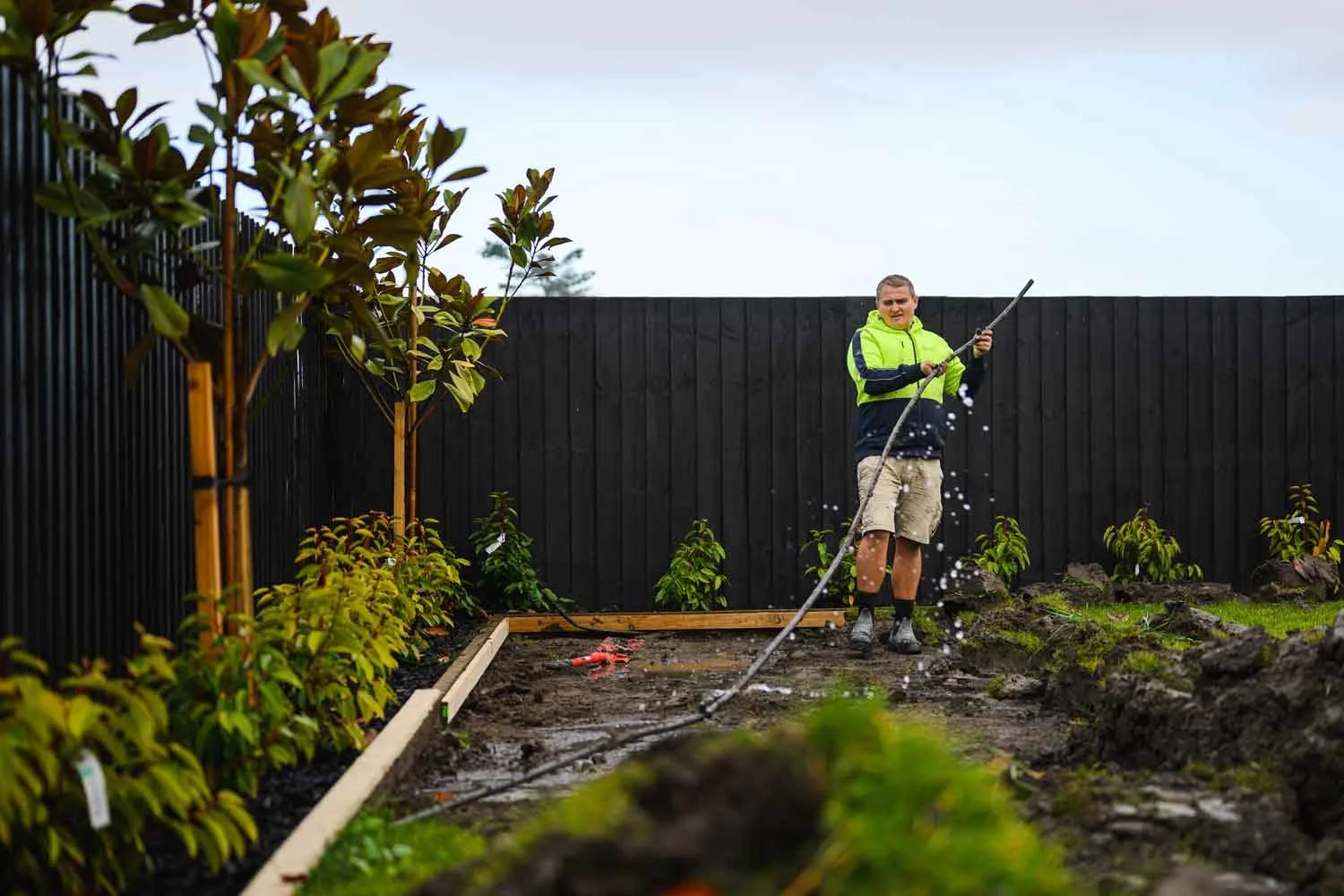
The ground is uneven. One corner becomes muddy every winter. Grass struggles beneath the fence or beside the house. The old garden edging has started moving, pathways no longer connect particularly well and the entertaining area feels disconnected from the rest of the backyard.
At that point, spending time repeatedly repairing individual areas may not be the best use of your budget.
A larger renovation gives you the opportunity to think about levels across the entire outdoor space rather than trying to correct one dip at a time. You can consider where water needs to move, how the lawn should meet paving or decking, whether existing garden beds still work and which areas actually need to remain lawn.
This doesn't necessarily mean starting again with everything. Sometimes a few carefully planned changes can completely change how the backyard functions. A difficult lawn area might become artificial grass, another section could become planting, while paving or decking can create more useful entertaining space.
The advantage is that you're solving several problems together rather than continuing to make small repairs to a layout that isn't working particularly well.
If your uneven lawn has started a bigger conversation about improving your outdoor space, our backyard renovation ideas can help you think about the project more broadly.
Can you install artificial grass over an uneven lawn?
Artificial grass shouldn't simply be laid directly over a significantly uneven existing lawn. The finished surface relies on what's underneath it. If the base has obvious bumps, depressions or unstable areas, these can affect how the artificial grass looks and performs once installed.
Good preparation helps create a stable, consistent surface and allows the finished lawn to sit naturally within the surrounding landscape. This is particularly important where artificial grass meets paving, decking, pathways or garden edges. Getting the levels right helps all of those different surfaces work together.
The exact preparation required will depend on the existing site, which is why we've covered the base in more detail in our blog on what goes under artificial grass.
If you're replacing the lawn, fix the levels properly
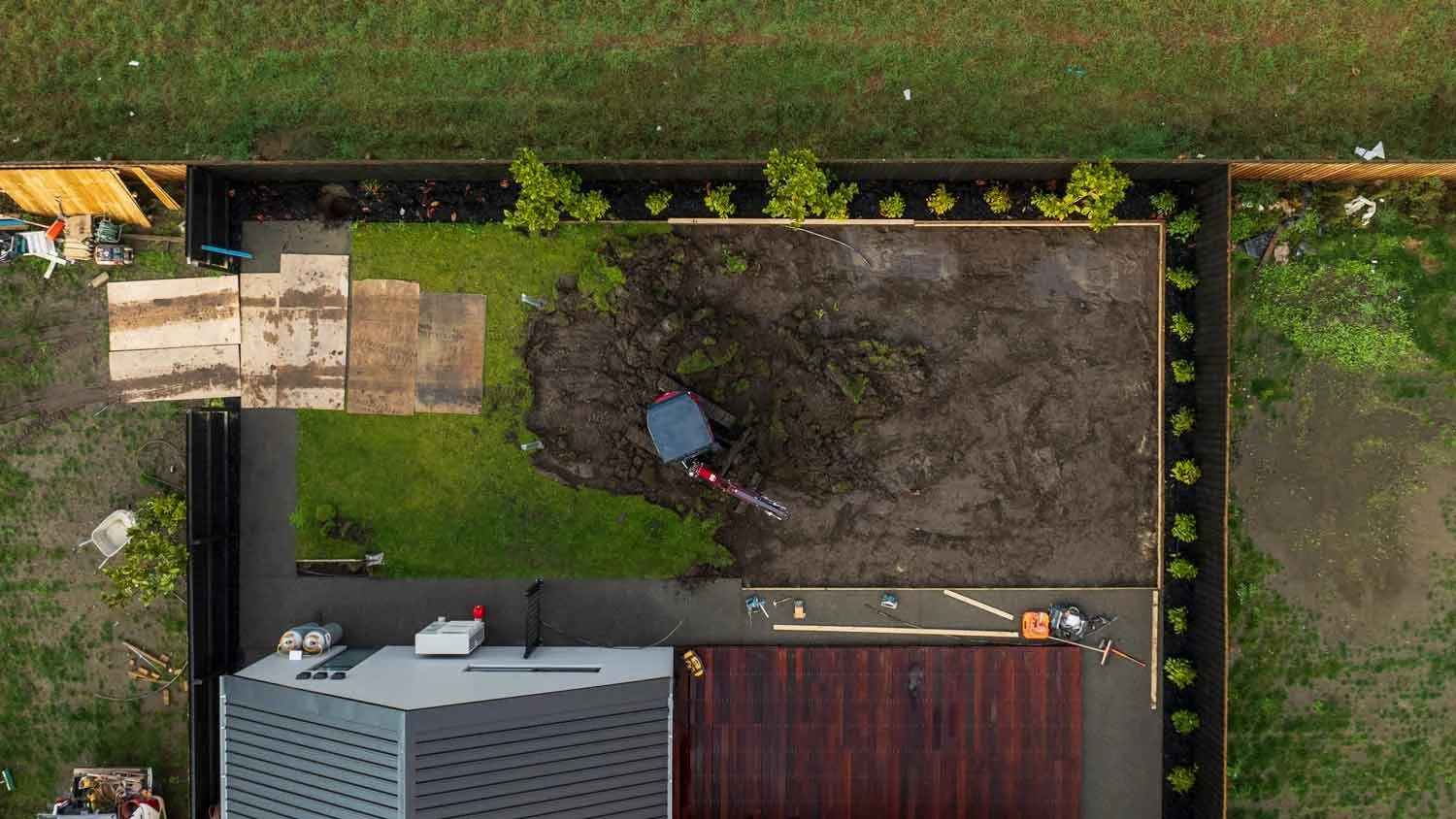
If you've already decided that your existing natural lawn needs replacing, the project creates a good opportunity to address uneven levels at the same time. Rather than trying to disguise dips and bumps at the surface, the existing lawn can be removed and the area assessed as part of the preparation process.
This is particularly valuable if your lawn has several recurring problems. An area that is uneven, muddy, difficult to mow and constantly patchy may need more than another round of topdressing and reseeding. Addressing the site properly before installing a new surface can help create a backyard that's easier to use and maintain in the long term.
If you're considering artificial grass for an area like this, professional artificial grass installation for problem lawns explains why site preparation becomes particularly important when existing lawn conditions are challenging.
Can you level your backyard yourself?
Minor lawn levelling can certainly be a DIY project. If you're dealing with a few shallow dips and otherwise healthy ground, you may feel completely comfortable making the corrections yourself.
A larger project is different. Significant excavation, major changes in level, difficult access, drainage concerns or preparing an entire backyard for a new surface can involve considerably more work than it first appears.
The decision should come down to the complexity of your particular site, your experience and how much of the project you're comfortable taking on.
If you're considering replacing the lawn with artificial grass afterwards, our blog on DIY lawn packages vs full installation can help you decide which approach makes the most sense for your project.
Finding the right solution for an uneven lawn
Not every uneven lawn needs to be completely rebuilt. If you're dealing with a few small bumps or shallow dips, relatively simple lawn levelling may be enough to create a smoother surface. But when unevenness keeps returning, water continually collects in the same areas or the lawn has several other problems alongside the changing levels, it's worth looking beyond what's happening on the surface.
Understanding why the lawn became uneven gives you a much better chance of choosing a solution that lasts. That might mean repairing the existing natural lawn, addressing drainage or ground conditions, incorporating the area into a wider backyard renovation or replacing a difficult lawn with a surface that's better suited to how you use the space.
The goal isn't simply to make the lawn look flat. It's to create an outdoor space that works better for your home and is easier to enjoy over the long term.

Dealing with an uneven or difficult lawn?
If your backyard needs more than a quick repair, we'd love to help you understand your options and find the right solution for your space.
FAQs
-
For minor dips and surface imperfections, topdressing may help gradually create a more even lawn while allowing the existing grass to continue growing. Larger depressions, recurring sinking or significant changes in level may require more investigation before deciding how to repair them.
-
Small amounts of suitable topdressing material can be used to correct shallow dips, but adding too much at once can cover and damage the existing grass. If the lawn is significantly uneven, it's better to understand what's causing the problem rather than continually adding more material.
-
Uneven lawns can develop because of ground settlement, soil compaction, heavy use, water movement, tree roots, previous excavation or poor preparation. Identifying the cause can help determine whether simple levelling will be enough or whether more substantial work is needed.
-
Artificial grass needs an appropriately prepared and stable surface underneath it. Significant bumps, dips and unstable areas should be addressed as part of the preparation rather than expecting the artificial grass to hide them.
-
The exact preparation depends on the site, existing surface, levels and drainage requirements. For significant changes in level or difficult ground conditions, professional assessment and preparation may be worthwhile before artificial grass is installed.