Artificial grass vs natural grass: which is easier for your home?
If you're considering artificial grass, chances are you've already spent some time dealing with the realities of maintaining a natural lawn.
Maybe it's the mowing every weekend. Maybe it's the patchy areas that never seem to recover. Or perhaps it's the muddy sections that appear every winter and make parts of the backyard difficult to use.
For many homeowners, the question isn't whether natural grass looks good. It's whether the time, effort and ongoing maintenance required to keep it looking good is worth it.
That's where the comparison between artificial grass and natural grass usually begins.
What does "easier" actually mean?
When people compare artificial grass and natural grass, they're often comparing more than appearance.
They're thinking about how much time they spend maintaining it, how often problems arise, and whether the backyard is ready to use when they need it. A lawn might look great immediately after being mowed, watered and maintained.
The question is how much work is required to keep it that way throughout the year. That's why it's often helpful to look beyond appearance and consider what each option asks of you over time.
Natural grass vs artificial grass: what's involved day to day?
A healthy natural lawn can look fantastic, but it relies on ongoing maintenance to stay that way.
Depending on the season, that may mean mowing, watering, fertilising, weed control and repairing worn or damaged areas. None of these tasks are particularly difficult on their own, but they do require regular attention. Over time, maintaining a lawn becomes part of the weekly routine.
Natural grass is also heavily influenced by conditions. Dry summers can leave areas looking thin or stressed, while winter often brings mud, slower growth and sections that struggle to recover. Shaded areas can be particularly challenging, as can parts of the backyard that see regular foot traffic from kids, pets or entertaining.
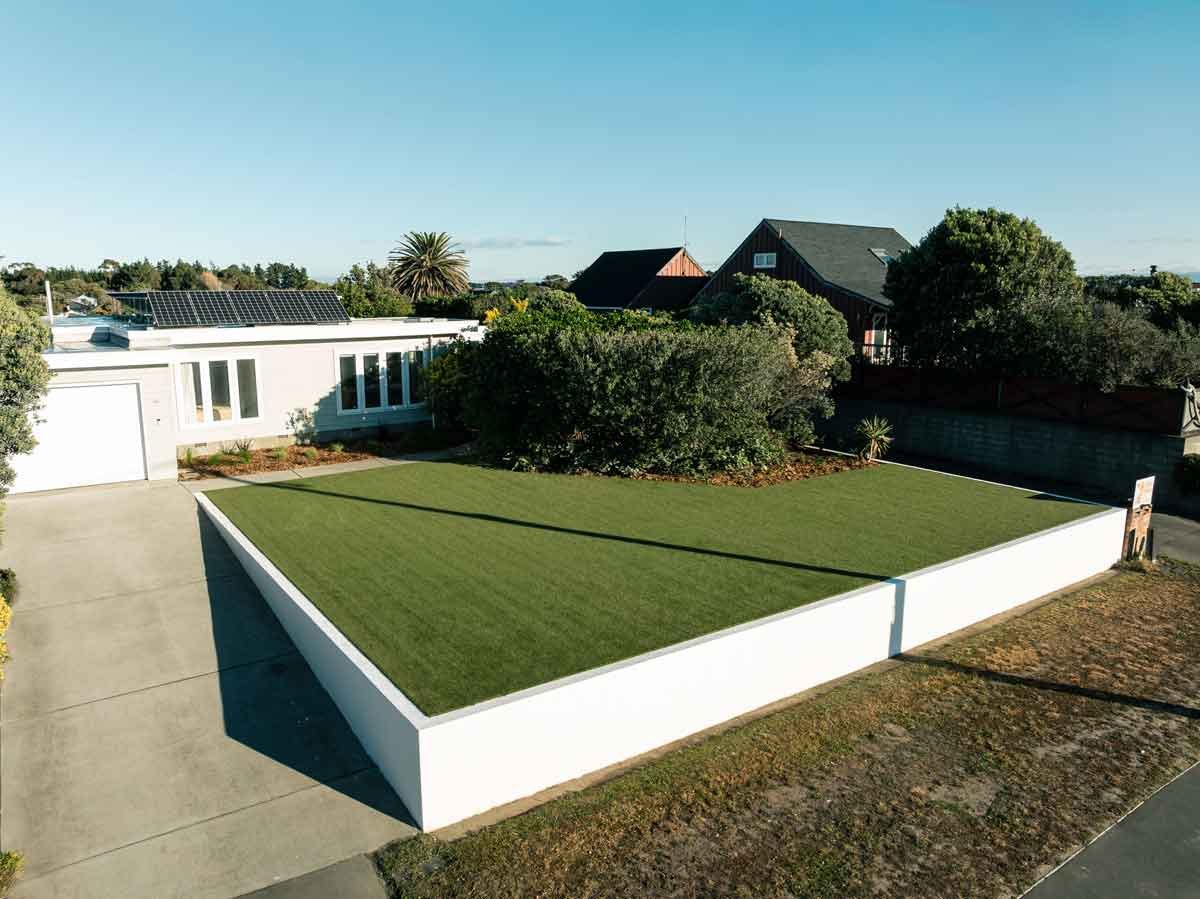
Artificial grass works differently because it doesn't rely on growth, recovery or ideal conditions. There's no mowing, watering or fertilising required, and the surface remains largely consistent throughout the year.
That doesn't mean it's completely maintenance-free. Leaves still need to be cleared, pet areas occasionally cleaned and the surface may benefit from periodic grooming. The difference is that you're maintaining appearance rather than trying to keep the lawn healthy and growing.
For many homeowners, that's where the biggest time saving comes from. Instead of spending weekends working on the lawn, the lawn simply becomes one less thing to think about.
If you're interested in reducing outdoor maintenance altogether, our guide on low-maintenance backyard makeover ideas using artificial grass explores some practical ways to create an easier-to-manage outdoor space.
Comparing artificial grass and natural grass
One of the biggest differences between the two options is predictability.
Natural grass can look fantastic when conditions are right, but its appearance and usability often change throughout the year.
Artificial grass tends to remain much more consistent. It doesn't become patchy through regular use, it doesn't require recovery time, and it isn't affected by seasonal growth patterns in the same way.
This is often where homeowners notice the biggest benefit. The backyard simply becomes easier to use without constantly thinking about what condition the lawn is in.
Where the difference becomes most noticeable
The biggest differences between natural grass and artificial grass usually show up in the areas that already cause frustration.
It might be a section of lawn that turns muddy every winter, a shaded corner where grass never quite grows properly, or an area that's constantly being worn down by kids, pets or regular foot traffic.
These are often the places homeowners spend the most time trying to fix. The same patches are reseeded. The same muddy areas return after rain. The same worn sections recover briefly before deteriorating again.
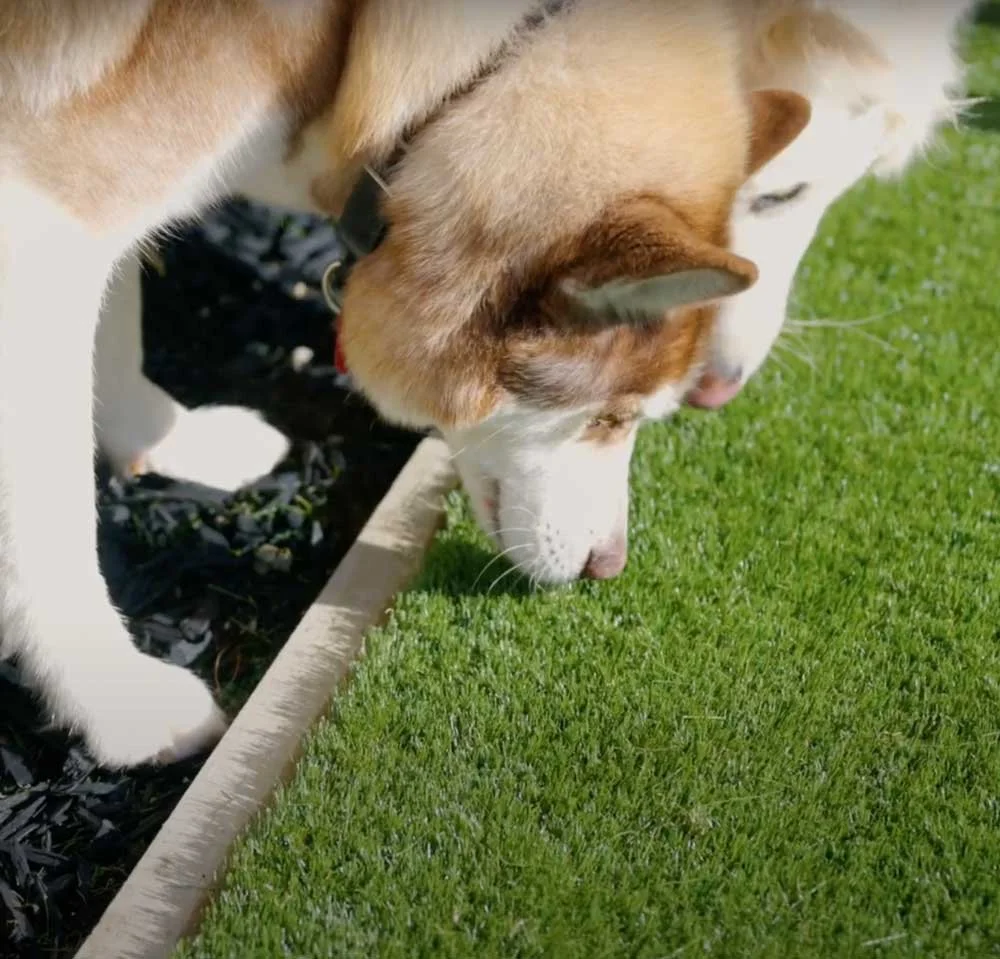
For families and pet owners, the challenge is often amplified. Dogs tend to follow the same routes through the yard, while children naturally gravitate towards the most-used areas. Over time, this concentrated use can quickly wear down natural grass and expose soil underneath.
Artificial grass doesn't remove activity from the equation, but it does remove many of the consequences that come with it. Instead of becoming muddy, patchy or worn, the surface remains much more consistent regardless of how often it's used.
If pets are a big consideration for your household, it's worth exploring artificial grass for dogs and some of our favourite dog-friendly backyard ideas.
That's why many homeowners don't switch because they dislike natural grass. They switch because certain parts of their backyard simply aren't coping with how the space is being used.
When natural grass still makes sense
Artificial grass isn't automatically the right choice for every home. If you enjoy gardening, don't mind lawn maintenance, and your existing lawn performs well throughout the year, natural grass may continue to be the best fit for your backyard.
Many people genuinely enjoy mowing, maintaining and caring for their outdoor spaces. If that's part of the enjoyment you get from your home, there's no reason to change something that's already working.
The goal isn't to replace every natural lawn. It's to solve problems where those problems exist.
When artificial grass becomes worth considering
For most homeowners, the decision to switch doesn't happen after a single bad season.
It usually happens after years of dealing with the same frustrations.
Repairing worn patches. Managing mud. Trying to grow grass in difficult conditions. Spending time maintaining areas that never quite perform the way you'd like them to. At some point, the conversation shifts from improving the lawn to improving how the space works.
That's often when artificial grass starts to make sense.
If your lawn consistently struggles with wear, drainage issues or difficult growing conditions, our guide to artificial grass installation for problem lawns explains when making the switch can be worth considering.
A different way to think about maintenance
When comparing artificial grass and natural grass, it's easy to focus on appearance.
But for many homeowners, the bigger consideration is how much time and effort is required behind the scenes.
Natural grass can look great, but it often comes with ongoing maintenance and seasonal challenges.
If you're curious about what ongoing upkeep actually looks like, visit the artificial grass maintenance and aftercare page where we explain what to expect and how to keep your lawn looking its best.
Artificial grass isn't maintenance-free, but it removes many of the tasks that homeowners spend the most time managing. The result is a backyard that's easier to look after and ready to use throughout the year.
Not sure which option is right for your backyard?
Order a free sample or book a site visit and we'll help you explore the best solution for your space.